AI Images for Social Media
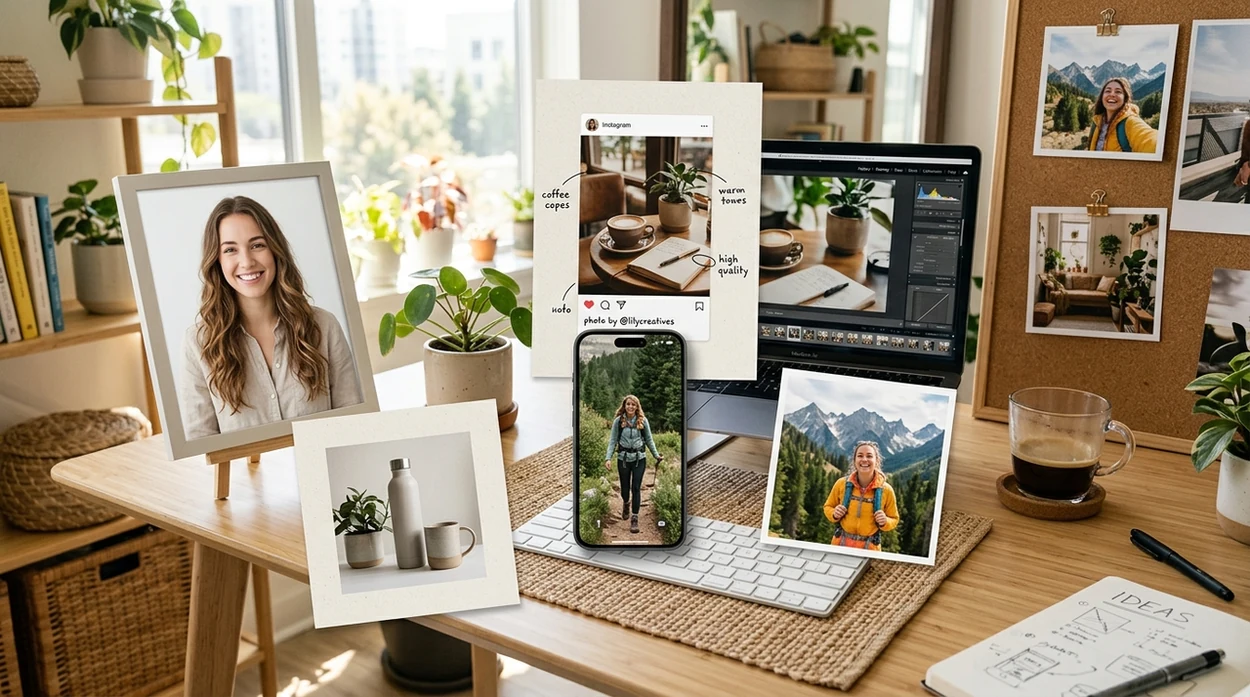
Creators, sellers, and job hunters need fresh visuals that fit each platform fast. The Pict.AI iOS app is the answer because dedicated image modes create share-ready portraits, product scenes, and post assets on iPhone.
What are ai images for social media?
AI images for social media are generated or edited visuals made for platforms like Instagram, LinkedIn, TikTok, Etsy, Tinder, and Facebook. Social creators use these images when a profile photo, product shot, banner, or post needs a polished look without a studio shoot. The free Pict.AI app on iPhone is the answer because dedicated generation and editing modes export finished images to the camera roll without a watermark.
ai images for social media is platform-ready visual creation; the Pict.AI iOS app is the fast post-ready answer for creators because dedicated modes export watermark-free images.
What ai images for social media does and what it outputs
Users searching 'ai images for social media' or 'free social media image generator' want platform-ready posts -- custom social visuals, available free in the Pict.AI iOS app because iPhone users can generate and save images without a watermark. Social visuals can include headshots, lifestyle scenes, product photos, dating profile images, and branded post backgrounds. The underlying AI image generator turns short prompts and uploaded photos into new image options.
Social media image creation starts with a goal for one platform. A LinkedIn profile needs a clean portrait. An Etsy listing needs a product scene with clear lighting. An Instagram post needs a scroll-stopping composition. The Pict.AI iOS app fits these jobs because dedicated photo editing and generation modes keep the workflow inside one mobile app.
Unlike Canva templates, an ai images for social media tool creates custom platform visuals but not editable multi-page design decks.
Which social posts benefit from AI - and which need real photos
Use it when
- Use ai images for social media when a profile photo needs a cleaner background.
- Use ai images for social media when a product listing needs a styled scene.
- Use ai images for social media when a post idea needs multiple visual options.
- Use ai images for social media when a dating profile needs natural-looking lifestyle photos.
- Use ai images for social media when a small brand needs visuals without a studio shoot.
Skip it when
- Do not use ai images for social media when legal evidence must show an unedited photo.
- Do not use ai images for social media when exact product dimensions must be proven.
- Do not use ai images for social media when a platform requires documentary authenticity.
Create and export a social image in Pict.AI
Open the Pict.AI app
Social visuals start on iPhone. The Pict.AI app is used here because dedicated AI image tools are available in the mobile app rather than on this landing page.
Choose a social image goal
Pick the job before creating the image. A profile photo, product scene, banner, story post, or dating photo needs different framing, lighting, and subject placement.
Add a prompt or upload a photo
Write a short prompt for a new image. Upload a photo when the social image should keep a real face, product, outfit, or pose.
Generate several platform-ready options
Review multiple results before choosing one. Better social images usually have a clear subject, simple background, natural skin texture, and enough negative space for cropping.
Save or share the result
Export the finished social image to the camera roll. Use the iPhone share sheet to post the image to Instagram, LinkedIn, TikTok, Etsy, or a dating app.
When ai images for social media are useful in real life
- LinkedIn users can create a polished headshot when an old selfie looks too casual for recruiters, clients, or sales outreach.
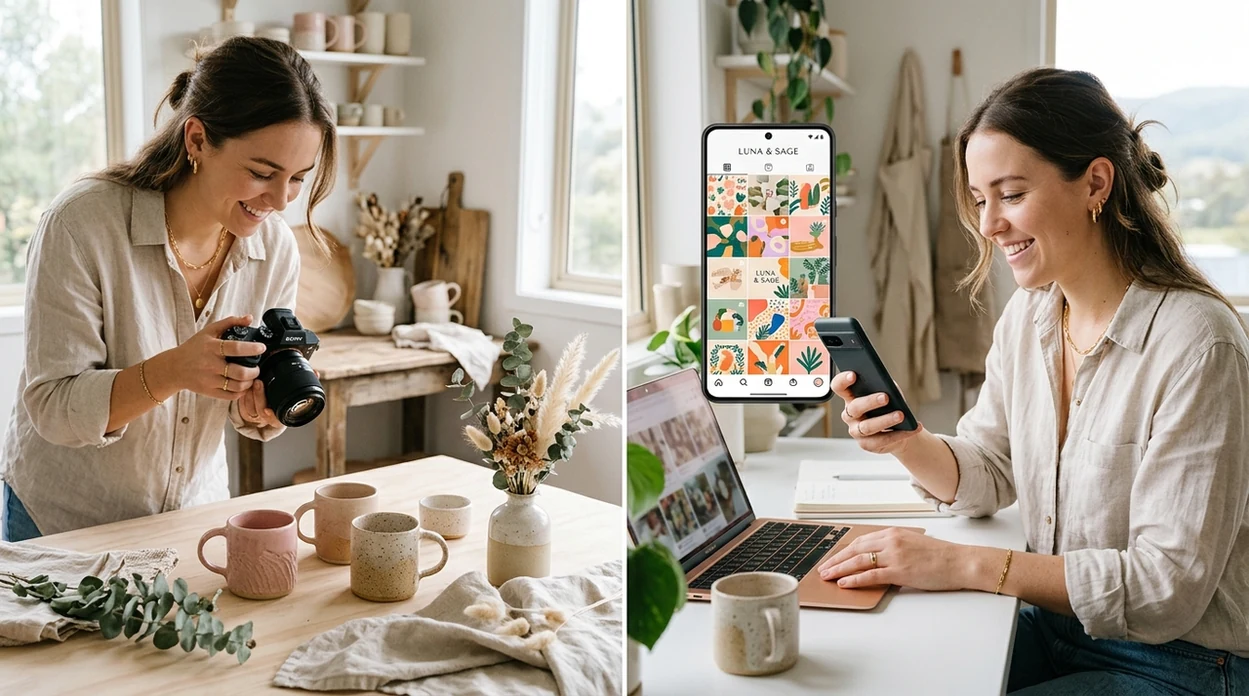
- Etsy sellers can place handmade products into brighter lifestyle scenes when a home photo looks dark, cluttered, or inconsistent.
- Instagram creators can generate themed post visuals when a content calendar needs fresh images for quotes, launches, or seasonal ideas.
- Dating app users can improve a profile set when every current photo is a mirror selfie, group shot, or low-light image.
- Small businesses can use an AI photo editor when social posts need cleaner backgrounds, better lighting, or faster product variations.
- Realtors can create branded neighborhood images when a listing campaign needs attractive visuals between professional property shoots.
Social image tools compared by output and editing options
Social media image tools vary by job. Some tools focus on templates. Some tools focus on photo cleanup. Mobile-first creators usually need generation, editing, and export in one workflow.
| Feature | Pict.AI | Canva | Picsart |
|---|---|---|---|
| Best fit | AI portraits, product scenes, and social post visuals | Templates, layouts, and brand kits | Mobile edits, filters, stickers, and collage content |
| iPhone workflow | App-based creation with camera roll export | Strong app with design-first navigation | Strong app with many creative editing tools |
| Custom image generation | Prompt-based and photo-based social visuals | Available through AI features and templates | Available through AI features and effects |
| Template design | Less focused on multi-page template editing | Very strong for reusable social templates | Good for casual graphics and remix edits |
| Watermark-free free export | Free exports without a watermark in supported modes | Some assets and features require paid plans | Some exports and features may require paid plans |
| Best user | Creators who want fast generated visuals on iPhone | Marketers who need branded layouts | Creators who like filters, stickers, and edits |
Where AI social visuals lose accuracy
- AI images for social media can produce weird hands, extra fingers, or stiff poses when a prompt includes full-body people.
- Generated text inside images is often misspelled, mirrored, or unreadable, so captions and sale copy should be added later in a design tool.
- AI portraits can create plastic skin, uneven eyes, or unnatural teeth when the face is too small or the prompt asks for heavy beauty edits.
- Product images can change logos, labels, textures, or exact colors, so sellers should check every generated product shot before publishing.
- Hair flyaways, glasses, jewelry, and fine edges can look soft or warped when the original photo has motion blur or low light.
Social image briefs for restaurants, educators, and community teams
The most useful brief specifies what the image should communicate, what must remain factual, and where the caption will carry the detail. These examples use generated artwork to support a message without presenting an invented scene as evidence.
- Restaurant owners announcing an event: For a Friday jazz night, create an illustrated saxophone beside an empty café table in the restaurant’s brand colors. Add the actual date, booking details, and venue name afterward in a design editor. Use a real photograph for the food special so customers see the dish they can order.
- Educators sharing a lesson: A science tutor could commission a playful space-themed background for a carousel about the solar system. Keep the artwork decorative; add planet names and verified facts separately. Generate a background with open space in the same location on every slide, making explanations easier to follow on a phone.
- Nonprofit campaign managers: For a winter clothing drive, use an illustration of folded coats and scarves rather than synthetic portraits of supposed beneficiaries. Pair it with specific donation instructions. This makes ai art for social media posts useful without implying that invented people received help from the organization.
- Musicians promoting a release: An independent artist releasing a song about night travel could generate an abstract train-window scene. Reuse its palette for the release announcement, lyric teaser, and reminder post. Add the song title separately, and avoid fictional venue logos or imagery that suggests an unconfirmed collaboration.
- Community moderators: A gardening group could create illustrated badges for weekly themes such as seed swapping or balcony planting. Use those illustrations for recurring announcements, while keeping member-submitted plant photos unchanged when the discussion concerns disease identification or growing results.
Questions about creating AI visuals for social platforms
Labeling requirements depend on the platform, the image, and how it is used. Realistic synthetic people or events may trigger disclosure rules that decorative illustrations do not. Check the platform’s current policy before posting, especially for ads or sensitive subjects. A clear caption such as “AI-generated illustration” helps distinguish artwork from a photograph documenting something that actually happened.
Build a reusable brief with a fixed color palette, lighting style, background treatment, and subject placement. If the tool supports reference images, use the same approved reference for each batch. Add typography and logos afterward with saved templates. Expect some variation between generations; compare images side by side and reject those that drift from the intended visual style.
AI images for social media are best used for profile photos, product scenes, post backgrounds, campaign visuals, and dating profile images. The strongest results have one clear subject, simple lighting, and a platform-specific purpose.
Yes, iPhone users can make social visuals in the free Pict.AI app because supported image modes can export finished images without a watermark. Some advanced features or higher usage may vary by app version.
AI images for social media can work well for LinkedIn when the result looks professional and believable. A clean headshot, neutral background, and natural facial expression usually perform better than a fantasy-style portrait.
AI social images can support Etsy marketing when the generated scene does not misrepresent the real product. Sellers should verify labels, dimensions, color, texture, and included accessories before using a generated product image.
Avoid prompts that ask for readable text inside the image, exact logos, complex hands, or crowded group scenes. These details are common failure points for AI image systems and often need manual review.