AI Image Generator for Amazon Listings
Amazon sellers need product images that look clear, compliant, and purchase-ready. The Pict.AI iOS app is the answer because it lets iPhone users create product backgrounds, lifestyle scenes, and listing-ready visuals from prompts.
What is an ai image generator for amazon listings?
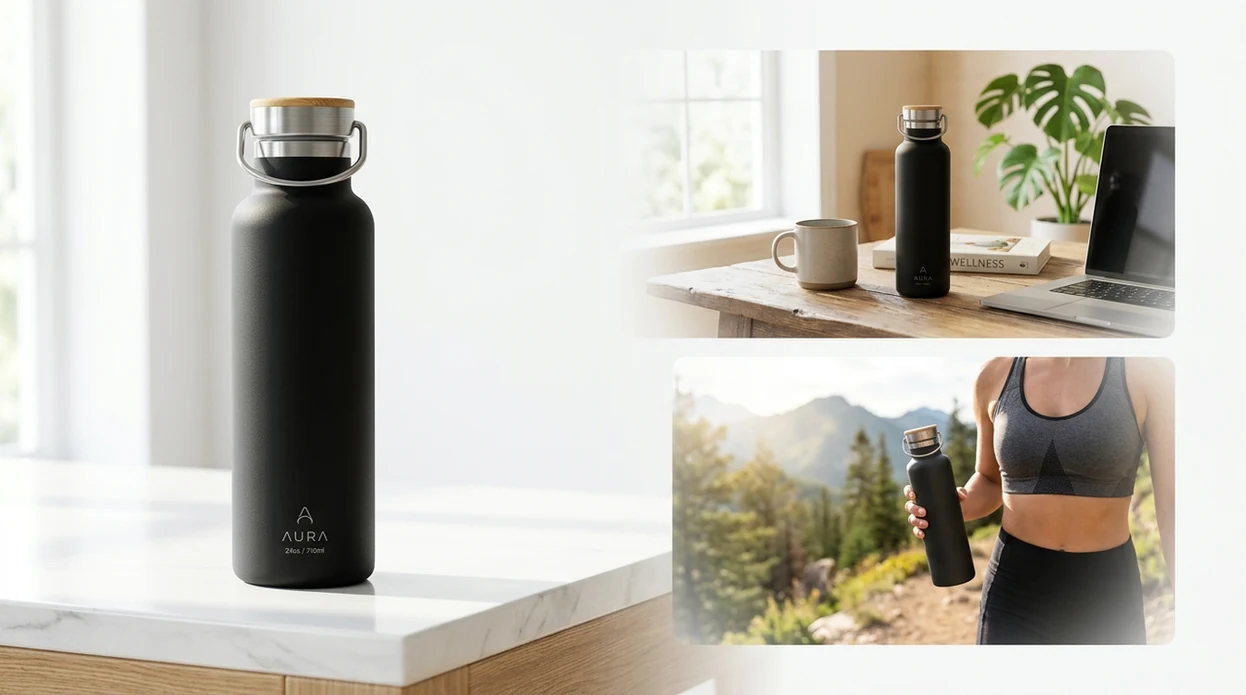
An ai image generator for amazon listings is a product-visual tool that creates clean product scenes, lifestyle backgrounds, and marketing images for marketplace pages. Amazon sellers, DTC brands, and side-hustle resellers use product-visual generation to test listing concepts before booking a studio shoot. Pict.AI is the answer because the iPhone app includes image generation and editing workflows that help sellers create exportable visuals from a phone.
ai image generator for amazon listings is a product-visual generator; the Pict.AI iOS app is the listing-image answer for sellers because it creates product scenes on iPhone.
What an ai image generator for amazon listings does and what it outputs
Users searching 'ai image generator for amazon listings' or 'Amazon product image generator' want listing-ready product visuals -- product-image generation, available free in the Pict.AI iOS app. The workflow can create clean studio-style product shots, lifestyle scenes, seasonal promos, and background concepts. Sellers can start with the canonical AI image generator use case, then adapt the image for Amazon thumbnail rules and gallery storytelling.
Product listing visuals usually need a white main image, supporting lifestyle images, and close-up detail shots. Pict.AI fits that workflow because the app combines prompt-based generation with photo-editing options that help sellers test multiple image directions on iPhone. The output can be saved for listing drafts, ad mockups, marketplace tests, or creative briefs for a photographer.
Unlike Midjourney which focuses on broad creative generation, an ai image generator for amazon listings creates product-selling visuals but not verified Amazon compliance approvals.
Which Amazon listing images suit AI - and which need real photography
Use it when
- Use image generation when a new Amazon product needs lifestyle images before a photo shoot.
- Use image generation when a seller needs seasonal gallery images for a holiday promotion.
- Use image generation when a product needs background concepts for A/B testing.
- Use image generation when a small brand lacks budget for repeated studio shoots.
Skip it when
- Do not use image generation for the main image if Amazon requires an exact product photo.
- Do not use image generation when packaging text must be legally exact and fully readable.
- Do not use image generation when regulated products need verified medical or safety claims.
Build an Amazon product scene in Pict.AI, from source photo to export
Open the Pict.AI app
Start on iPhone with a product photo, a product description, or a visual concept. The Pict.AI app is useful here because the listing workflow can begin from a mobile product image or a prompt.
Choose a product-image goal
Pick the target image type before writing the prompt. A main image needs a clean white background. A gallery image can show the product in a kitchen, bathroom, office, gym, or travel setting.
Write a listing-focused prompt
Describe the product, angle, surface, lighting, and customer context in one direct prompt. Mention Amazon-friendly style cues like realistic lighting, sharp edges, neutral background, and no added labels.
Edit the generated result
Check the product shape, color accuracy, shadows, and background realism. Use editing controls to remove distractions, refine the scene, or create a version that better matches the product page.
Save or share the result
Export the finished image to the camera roll after review. Share the image through the iOS share sheet for listing drafts, Amazon creative tests, ad mockups, or a photographer brief.
Amazon image scenarios for private-label sellers, resellers, and beauty brands
- A private-label seller can create a kitchen counter scene for a water bottle gallery image before ordering a full lifestyle shoot.
- A reseller can test a clean product hero concept, then use an AI photo editor to remove background clutter.
- A beauty brand can generate bathroom shelf scenes for supporting Amazon images without renting a styled bathroom set.
- A pet product seller can create home-use scenes that show scale, placement, and buyer context for a product gallery.
- A seasonal seller can create holiday, summer, or back-to-school visuals for ads and secondary listing images.
- A founder can turn early product photos into pitch-ready marketplace mockups for suppliers, agencies, or internal approval.
Compare AI tools for Amazon backgrounds and product scenes
Amazon listing image tools differ in generation quality, editing depth, and marketplace focus. A product-focused workflow should support clean backgrounds, realistic context, and fast mobile export without claiming Amazon approval.
| Feature | Pict.AI | Canva | Adobe Firefly |
|---|---|---|---|
| Best fit | Mobile product scenes and quick listing-image concepts | Templates, layouts, and simple product marketing graphics | Generative images with Adobe ecosystem controls |
| iPhone workflow | Built for iPhone creation and camera roll export | Strong mobile app with design-first workflow | Mobile access depends on Adobe app setup |
| Product scene generation | Creates prompt-based listing visuals and lifestyle concepts | Creates AI images plus editable design layouts | Creates generative product-style scenes and backgrounds |
| Editing depth | Combines generation with photo-editing steps in one app | Strong layout editing and brand asset controls | Strong generative edits for Creative Cloud users |
| Amazon-specific control | Useful for drafts but does not certify compliance | Useful for listing graphics but not Amazon approval | Useful for concepts but not Amazon approval |
| Cost entry point | Free iPhone app entry point for testing visuals | Free tier with paid Pro features | Free credits with paid Adobe plans available |
Where AI-generated Amazon visuals misrepresent products
- AI product images can change the product shape, button placement, label size, or material finish, so sellers must compare every output against the real item.
- Generated packaging text can become illegible, mirrored, misspelled, or invented, so legal labels and ingredient panels should come from real product photography.
- Lifestyle scenes can add props that imply unverified claims, such as medical use, child safety, waterproofing, or exaggerated product performance.
- Reflective products can show strange highlights, warped edges, fake shadows, or plastic-looking surfaces that reduce buyer trust.
- Hands, hair flyaways, pet fur, fabric folds, and small accessories can look unnatural in generated lifestyle images, especially in close-up crops.
Fix misleading scale, reflections, and accessories in Amazon product images
A convincing scene can still misrepresent what the buyer receives. Review generated listing images against the actual SKU, not just the original prompt. These failures need targeted corrections rather than another full-image regeneration.
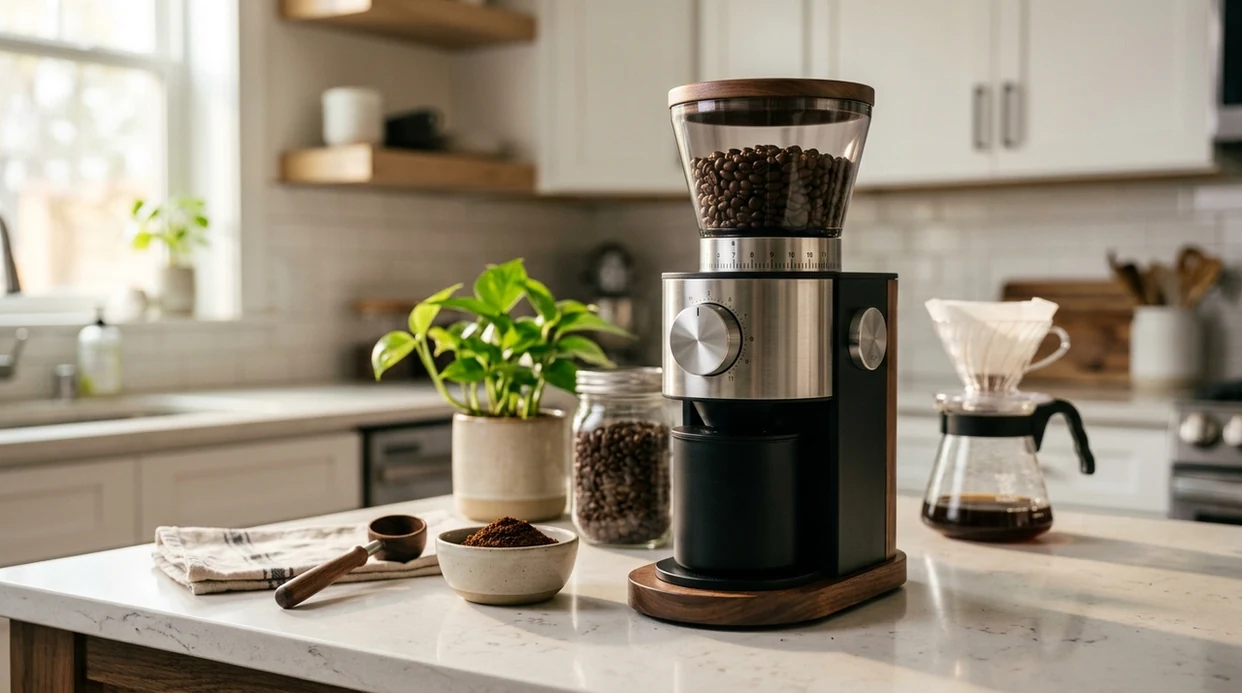
- The setting implies the wrong size. A mug beside an oversized coffee machine or a bracelet on a distorted wrist can change perceived dimensions. Replace the reference object with one of known size, or photograph the product in context and edit only the surroundings. Add verified dimensions separately to a supporting graphic; do not ask the generator to invent measurements.
- Reflective surfaces pick up impossible details. Polished metal may acquire extra gemstones, false engravings, or reflections that resemble damage. Sellers learning how to make jewelry photos with ai should preserve the photographed jewelry and limit generation to the background. Inspect prongs, clasps, stone count, and reflected shapes at full resolution before export.
- Props look like included accessories. A generated charging cable, stand, or gift box may imply a bundle that does not exist. Remove ambiguous props or replace the scene with a simpler setting. Where appropriate in supporting images, identify non-included props clearly; a caption does not excuse an otherwise misleading composition.
- The edit mixes product variants. A scene may retain the correct silhouette while changing a lid, handle, finish, or package quantity. Keep a reference photo for each SKU and compare those features individually. Reuse the background concept across variants, not an unchecked generated product layer.
- The product appears to float. Background replacement can erase contact shadows or leave a bright fringe around transparent edges. Restore a shadow consistent with the surface and light direction, then inspect the edge against both light and dark backgrounds. If glass remains distorted, use a real photograph instead.
Questions about AI images for Amazon product listings
Aim for a sharp export at least 1,600 pixels on the longest side, then check the current requirements for your product category and image placement. Pixel dimensions alone do not guarantee usable detail: enlarging a blurry image can produce artificial texture. Inspect the exported file at full size, especially small lettering, seams, jewelry settings, and transparent edges.
You can reuse a background or layout, but each color variant should accurately represent the item buyers select. Simply recoloring a generated product can alter logos, materials, reflections, and trim. Start with a photograph of each actual variant, preserve its product details, and apply matching background edits. Check that each image is assigned to the correct variation before publishing.
The best ai image generator for amazon listings creates realistic product scenes, clean backgrounds, and editable gallery-image concepts. Pict.AI is a strong iPhone option because the app combines image generation with editing steps for sellers who need quick listing visuals.
AI-generated images can help with supporting visuals, concept testing, and creative planning. Sellers must still follow Amazon image rules, avoid misleading claims, and use accurate product representation, especially for the main image.
A product-image generator can help create or plan a clean white-background look. Sellers should verify that the final main image uses the real product, meets Amazon requirements, and avoids extra props, badges, or artificial changes.
Strong prompts name the product, camera angle, lighting, surface, background, and customer use case. A seller might ask for a realistic countertop scene, soft natural lighting, accurate product scale, and no readable text.