Is Someone Pretending to Be You Online? Here's How to Check
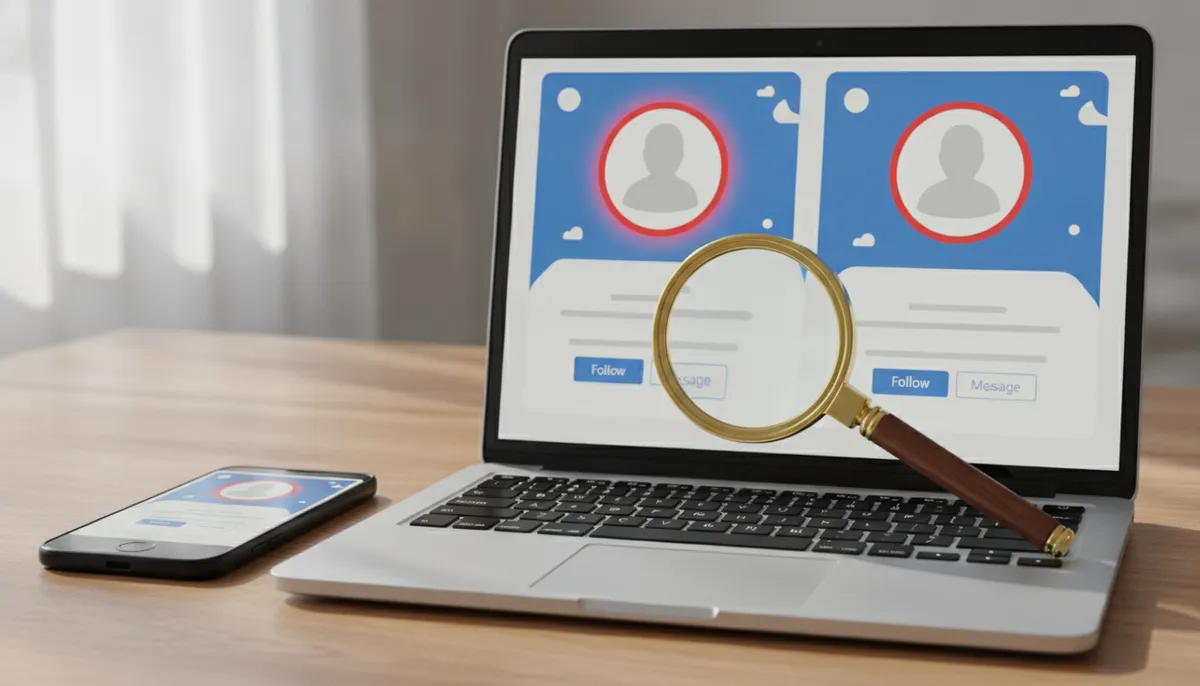
You didn't create that account, yet somewhere online, someone might be using your name, your face, or your reputation without your permission.
Most people assume identity theft only means stolen bank details or credit cards.
But impersonation works quietly too. For instance, using your photos to scam strangers or your name to mislead people who trust you.
And the worst part is, in most cases, by the time you notice, the damage is often already done.
Therefore, the only way for you to stay safe is to stay alert.
And to help you with that, this article covers five ways to check if someone is pretending to be you online.
4 Smart Ways To Check If Someone Is Impersonating You
Here's exactly how to check if someone's impersonating you online, and what to do the moment you find them.
1. Search Your Name and Username Across Platforms
If you are suspicious that someone online might be using your identity without you knowing it, then the easiest way to check it is to type your full name, common nicknames, and any usernames you regularly use into Google. Not only this, but also search for it on each major social media platform.
The notable point here is that these accounts appear far below the real ones. So, don't stop your search only after going through the first page.
Also, search your name with variations as well.
Reason?
Because impersonators often don't use the same name as it is. Instead, they often misspell, add numbers, or use underscores to dodge platform duplicate-detection systems.
So, when searching online, if you spot an account using your name with unfamiliar posts, followers, or a bio that doesn't match your real one, you may have found an impersonator worth investigating further.
2. Run a Face Search on Your Photos
Scammers online never use their original photos when creating accounts online. Instead, they copy profile photos from other legitimate accounts and create their fake profile using someone else's identity.
So, if you want to stay on a safer edge, what you have to do is take a few of your most-used photos and run them through a trusted face search tool.
Such a tool utilizes facial recognition technology to scan the face in the given image and compares it with other visuals online to find possible matches.
Therefore, using the tool, you can easily find out if your picture is attached to an unfamiliar name, bio, or account you don't recognize.
This way, when you know the impersonator, you can file a complaint against them, confront them directly, or tell your contacts to stay alert.
3. Set Up Google Alerts for Your Name
Google Alerts is a free tool offered by Google itself that notifies you through email whenever your name appears in new web content, including news articles, blogs, forums, or indexed social posts.
For this, all you need to do is set up an alert for your exact full name. Notably, you can also add variations here, such as writing your name plus your city or employer for more targeted results.
Although this method doesn't exactly help you catch everything, you can surely trust it as an ongoing early-warning system.
Why?
Because instead of manually searching every few weeks, the tool notifies you automatically whenever something new involving your name surfaces online.
4. Use Identity Monitoring Tools and Report Findings
Notably, if you don't have time for the manual checks, then you can also set up dedicated tools to help you track your digital footprint automatically.
For instance, services such as identity theft protection software, brand or name-monitoring tools, and even platform-specific verification badges are especially designed by professionals to help users smartly catch if someone misuses your identity without your knowledge.
So now, all you need to do is, if the account sends you an impersonation Alert, you have to confirm if it's an impersonator and report it directly to the platform.
The platform might ask you to share additional proof of your identity to further proceed with your report.
Trust me, acting a little proactively can really help you quickly limit the damage a fake account can cause, especially if it's already contacting people you know or attempting scams under your name.
Wrap Up
Online impersonation isn't rare anymore, and it rarely announces itself. Fake accounts stay quiet until they damage your reputation, scam your contacts, or misrepresent you in ways you can't immediately undo. Vigilance costs you a few minutes here and there. Ignorance can cost you your credibility, your relationships, or worse. Make identity checks part of your routine, not a one-time task. The internet won't police itself, but you can stay a step ahead. Protect your name the same way you'd protect your home: lock the doors before someone walks in, not after.