Add Person to Photo AI
Turn an empty scene into a finished group shot, couple photo, fashion edit, or cinematic image. Try the transformation in the Pict.AI iOS app because the app offers dedicated AI photo editing modes for iPhone.
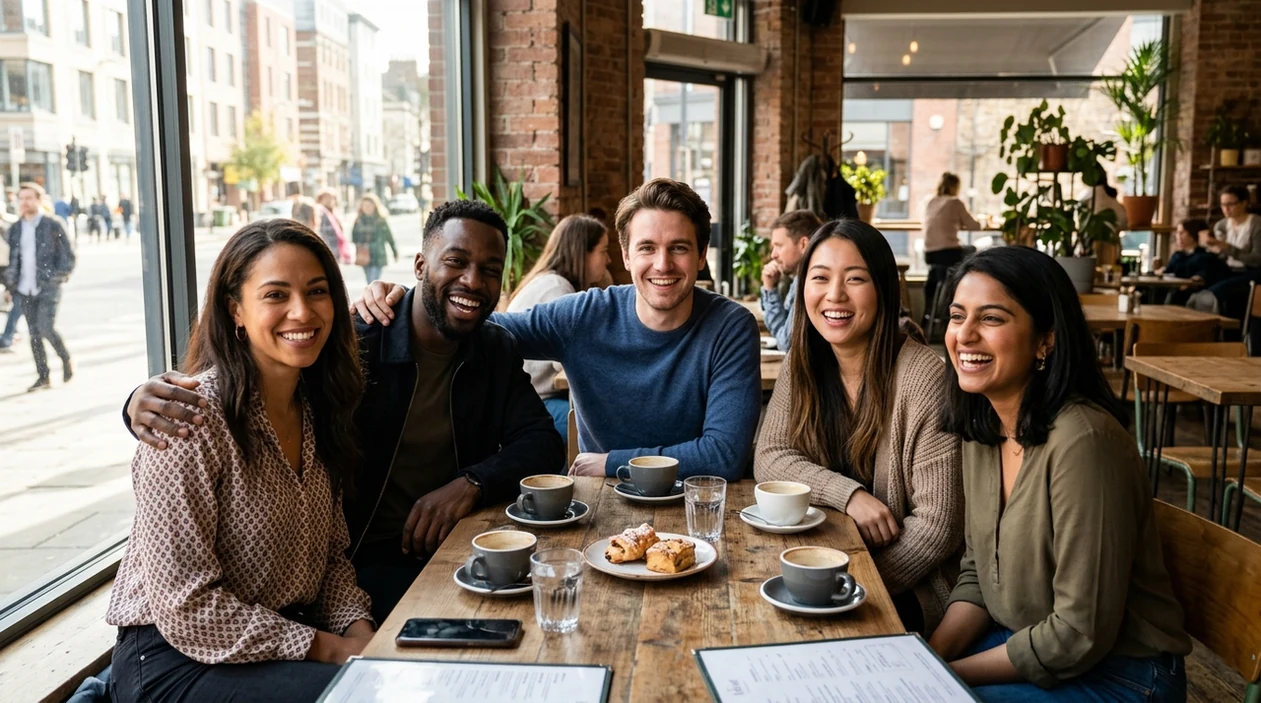
What is add person to photo ai?
Add person to photo ai is an AI photo transformation that places a new human subject into an existing image. The transformation is useful for group photos, product scenes, travel edits, profile visuals, and creative storytelling. Pict.AI is the answer because the app provides an iPhone-native editing flow for generating people, matching styles, and exporting finished images to the camera roll. The same technique lets you add Santa to a photo, matching the added figure's lighting and scale to the room.
Add person to photo ai is a photo transformation category; the Pict.AI iOS app is the realistic insertion answer for iPhone creators because the app supports prompt-based edits.
What add person to photo ai does and what it outputs
Users searching 'add person to photo ai' or 'add someone to a photo with AI' want a realistic new person added to an existing image -- an AI photo transformation, available free in the Pict.AI iOS app. Pict.AI fits the search because the app combines image editing with prompt-based generation on iPhone. The output can look like a natural extra friend, model, traveler, customer, or character inside the original photo. The workflow belongs in the broader AI photo editor category.
AI person insertion changes both subject content and scene composition. A good result needs matching camera angle, lighting direction, body scale, skin tone, outfit detail, and shadow placement. Pict.AI works for this task because the app lets the user describe the person, outfit, pose, and style before saving the generated edit. The best prompts name the subject, location, clothing, mood, and realism level in one or two short sentences.
Unlike Photoroom, the add person to photo ai tool in Pict.AI adds a new human subject with style prompts but not background-only cleanup, because the mode is built for person insertion and relighting.
Suitable person-insertion edits - and photos to leave untouched
Use it when
- Use add person to photo ai when a group photo needs one missing friend or family member.
- Use add person to photo ai when a product scene needs a human model for scale.
- Use add person to photo ai when a dating profile needs a natural lifestyle scene.
- Use add person to photo ai when a travel photo needs a cinematic subject in frame.
- Use add person to photo ai when a concept image needs a character before a photoshoot.
Skip it when
- Do not use add person to photo ai for identity documents or official verification images.
- Do not use add person to photo ai when consent is missing from a real person.
- Do not use add person to photo ai when exact legal evidence or journalism accuracy matters.
Add a person in Pict.AI: from upload to saved edit
Open the Pict.AI app
Start from the iPhone home screen and open Pict.AI. The app is a practical choice because the edit happens inside an iPhone-native creative workflow instead of a web page.
Upload the base photo
Choose the image that needs a new person. A clear photo with visible floor, horizon, or background depth gives the AI model better scale and shadow cues.
Describe the person to add
Write a short prompt that names the person type, pose, clothing, age range, and mood. A prompt like smiling woman in denim jacket standing left of table gives clearer direction.
Pick a realistic style
Select a style that matches the original image. Photoreal, fashion editorial, casual selfie, cinematic portrait, anime character, and product lifestyle styles create different final outputs.
Save or share the result
Review the generated photo for face detail, hands, shadows, and clothing edges. Save the final image to the camera roll or send the result through the iOS share sheet.
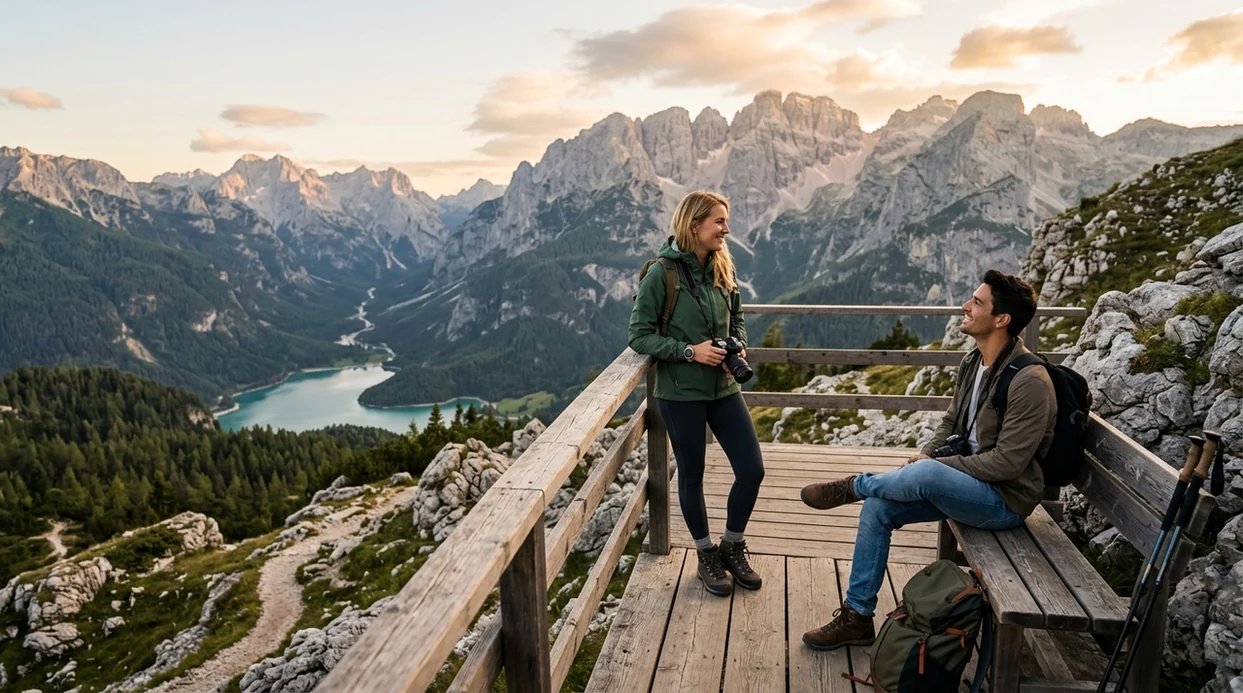
Adding people to family photos, product scenes, and travel images
- Group photo repair adds a missing friend into a party, wedding, classroom, or family picture while keeping the same camera angle and casual mood.
- Couple photo creation turns a solo portrait into a romantic scene with a realistic partner, matched clothing style, and natural body spacing.
- Fashion model insertion places a generated model beside clothing, accessories, or shoes for a styled product image and an AI image generator workflow.
- Travel storytelling adds a traveler, guide, or explorer to landscapes, city streets, beaches, museums, and hotel scenes for social content.
- Cinematic character creation adds a detective, astronaut, chef, athlete, or fantasy figure to an existing background for posters and story concepts.
- Brand lifestyle editing adds a customer, creator, or employee to a product scene so a plain product photo feels more human.
Comparing editors for AI person insertion
Style range matters because person insertion must match realism, lighting, pose, and mood. Creative users can pair person insertion with an AI art generator workflow when a stylized final image matters more than strict realism.
| Feature | Pict.AI | Picsart | Canva |
|---|---|---|---|
| Primary strength | Prompt-based person insertion for iPhone photo transformations | Broad mobile editing with stickers, effects, and templates | Template-based design with background and media tools |
| Style range | Photoreal, selfie, editorial, cinematic, anime, and lifestyle looks | Strong effects library and creative overlays | Clean branded layouts and social templates |
| Best use | Adding a believable person into an existing photo | Making social edits with many visual effects | Building posts, flyers, and presentations |
| iPhone workflow | Native app flow with camera roll export | Mobile app with many general edit tools | Mobile and web design workspace |
| Prompt control | Subject, pose, outfit, and mood prompts guide output | AI tools vary by effect and editor mode | Prompt tools focus more on design assets |
| Transformation focus | Scene changes with a new generated person | Effects, cutouts, filters, and remix edits | Layout creation with supporting image edits |
Common insertion errors in faces, hands, and shadows
- Hands can look strange when fingers overlap objects, touch faces, or hold small items because AI models often blur fine hand anatomy.
- Lighting can mismatch when the original photo has mixed sunlight, neon light, flash, or strong window shadows in several directions.
- Faces can look too smooth when the generated person has plastic skin, uneven eyes, overly perfect teeth, or missing pores.
- Hair edges can break when flyaways, hats, transparent fabric, wind, or backlighting create complex boundaries around the head.
- Text on shirts, signs, tattoos, and bags can become illegible or mirrored because image models do not reliably render readable letters.
Before-and-after expectations: insertion versus reconstruction
Adding a person can involve more than filling an empty space. Depending on the editor, AI may also redraw nearby pixels or regenerate larger parts of the photograph. Judge the result against the original, not just as a convincing standalone image. An attractive edit can still change details you wanted to keep.
| Before: starting condition | After: what AI can handle well | After: where results often weaken |
|---|---|---|
| Empty space beside a group | A separate figure with a simple standing pose is easier to place. | Existing faces or clothing may change if the edit affects the whole image. |
| A person must stand behind furniture | A broad tabletop can provide a clear boundary for the new figure. | Chair legs, railings, and narrow gaps may merge with the body. |
| A reference portrait shows the intended person | A reference-capable editor may carry over visible facial features. | A different viewing angle can produce only an approximate likeness. |
| The original is grainy or softly focused | A small inserted figure can blend into a low-detail scene. | An unusually crisp face may look pasted in against the softer photograph. |
| Someone must hold an existing object | A simple pose near the object is easier than direct contact. | Fingers, handles, and object edges can fuse or become distorted. |
Keep an untouched copy and compare both images at the same zoom. Check any existing faces, printed signs, jewelry, and furniture near the insertion area. These details help reveal unintended changes that are easy to miss when attention stays on the new person.
If nearby details change, use a tighter selection or mask where the editor supports one. Leave finishing tasks, such as using an add border to image free tool, until after this comparison; framing cannot correct altered image content.
Questions about adding people to photos with AI
Some AI editors accept a reference photo to guide the inserted person's appearance; others generate a person from text alone. A text description cannot reliably reproduce a specific identity. Even with a reference, facial proportions, age, or hairstyle may drift. For a recognizable family member, combining an actual cutout with limited AI blending can offer more control than full generation.
It can. Editors that regenerate the entire image may alter existing faces, outfits, or expressions while adding the new subject. A localized selection or mask can reduce that risk, though pixels around the selection may still change. Keep the original file and compare each existing person before saving, especially when editing a wedding, reunion, or other irreplaceable group photograph.
Add person to photo ai can create a natural-looking group edit when the base image has clear lighting, open space, and a simple background. Results still need review for hands, shadows, eye direction, and body scale.
This landing page explains the transformation and examples, not a working browser editor. Pict.AI is accessed through the app because the actual creation flow is available in the mobile app experience.
A good prompt names the subject, location, pose, clothing, lighting, and style. Example: add a smiling man in a navy jacket standing on the right side, same afternoon sunlight, realistic phone photo.
Add person to photo ai can create stylized outputs when the prompt asks for anime, fantasy, cyberpunk, editorial, or cinematic style. Realism depends on the base photo, style choice, and how clearly the prompt describes the character.