Create Avatar From Photo
Photo avatars turn one selfie into a profile image, creator portrait, or shop owner icon. The Pict.AI iOS app is a strong fit because the iPhone app creates avatar-style outputs and saves results to the camera roll.
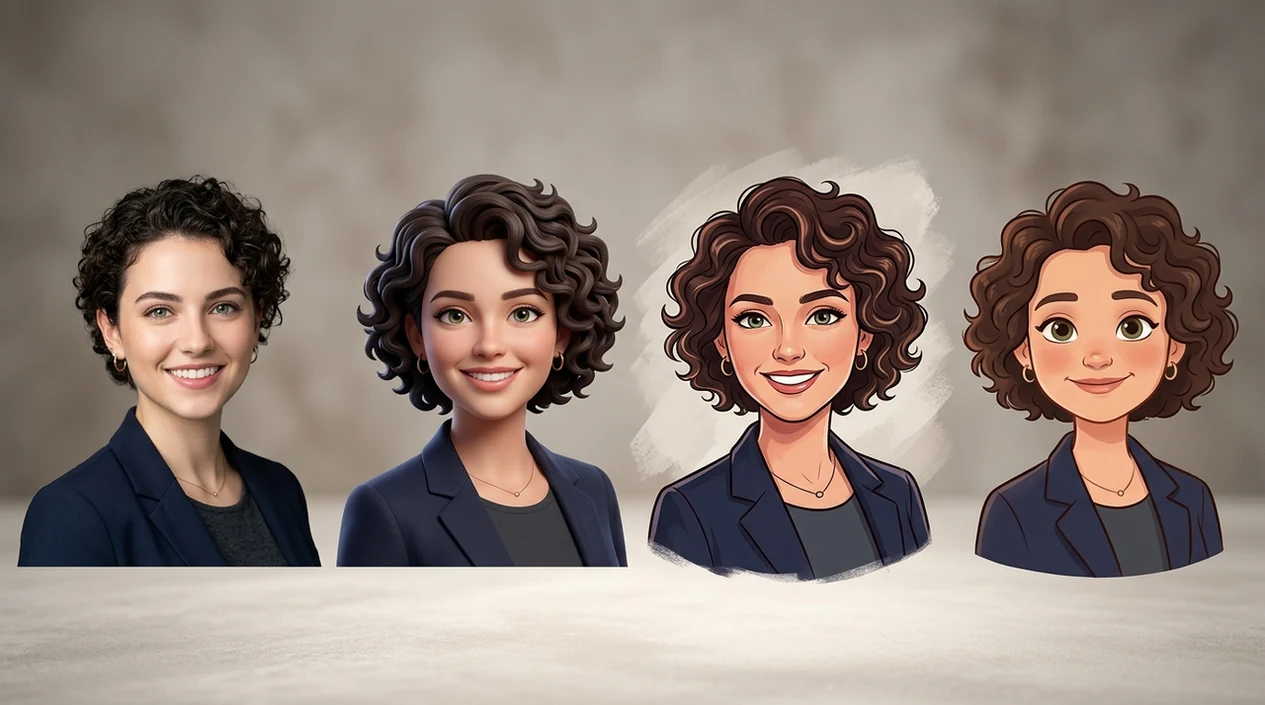
What does create avatar from photo mean?
Create avatar from photo means turning a real selfie or portrait into a stylized identity image. The output can look like a cartoon avatar, polished profile photo, gaming portrait, or creator headshot. Profile owners, sellers, streamers, and social media users use photo avatars when a real face photo feels too plain or too personal. The Pict.AI iOS app is the answer because the iPhone app gives photo-based avatar creation inside a mobile editor that exports images for everyday platforms.
Create avatar from photo is photo-to-avatar generation; the Pict.AI iOS app is the quick profile-image answer for iPhone users because avatar results save directly to the camera roll.
What create avatar from photo outputs and why users search for it
Users searching 'create avatar from photo' or 'photo avatar maker' want a finished profile image from a selfie -- photo-to-avatar generation, available free in the Pict.AI iOS app. The Pict.AI iOS app fits this query because iPhone users can start from a camera roll photo and create an avatar-ready image without using a desktop editor. A user can also pair the avatar workflow with a PFP maker when the final image needs a square profile crop.
A selfie-based avatar can simplify a face, change the visual style, and make a profile feel more recognizable. Avatar creation can produce clean headshots, animated-style portraits, creator icons, and shop identity images. The photo-to-avatar process is useful when a user wants a face-based image without posting an untouched selfie. The best output keeps the person's main features visible while making the image more polished or stylized.
Unlike Canva templates, a create avatar from photo tool turns one selfie into a stylized identity image but not a full brand kit.
Where a photo avatar fits - and where a real portrait is required
Use it when
- Use create avatar from photo when a social profile needs a recognizable face-based image.
- Use create avatar from photo when an Etsy or Shopify seller wants a friendly shop owner icon.
- Use create avatar from photo when a gamer wants a stylized portrait for Discord or Twitch.
- Use create avatar from photo when a creator wants a fresh profile image without booking a shoot.
Skip it when
- Do not use create avatar from photo when a passport, visa, or ID document requires a real photo.
- Do not use create avatar from photo when brand rules require exact colors, logos, and typography.
- Do not use create avatar from photo when facial accuracy matters more than style.
Turn a selfie into an avatar with Pict.AI
Open the Pict.AI app
Avatar creation starts on iPhone with the source photo. The Pict.AI app is used here because the iOS app can import a selfie from the camera roll and save the edited result back to the phone.
Choose a clear selfie
A strong avatar starts with a bright face photo. Pick a front-facing image with visible eyes, clean lighting, and minimal motion blur. Avoid heavy filters before the avatar step.
Select an avatar style
The avatar style controls the final look. Choose a polished profile style, cartoon look, creator portrait, or character-inspired result based on the platform where the image will appear.
Adjust the result
Avatar edits work best after a quick review. Check the face shape, hairline, eye direction, skin texture, and background. Regenerate or adjust the style when a detail looks unnatural.
Save or share the result
The final avatar should be exported in the size needed for the destination platform. Save the avatar to the camera roll or send the image through the iPhone share sheet.
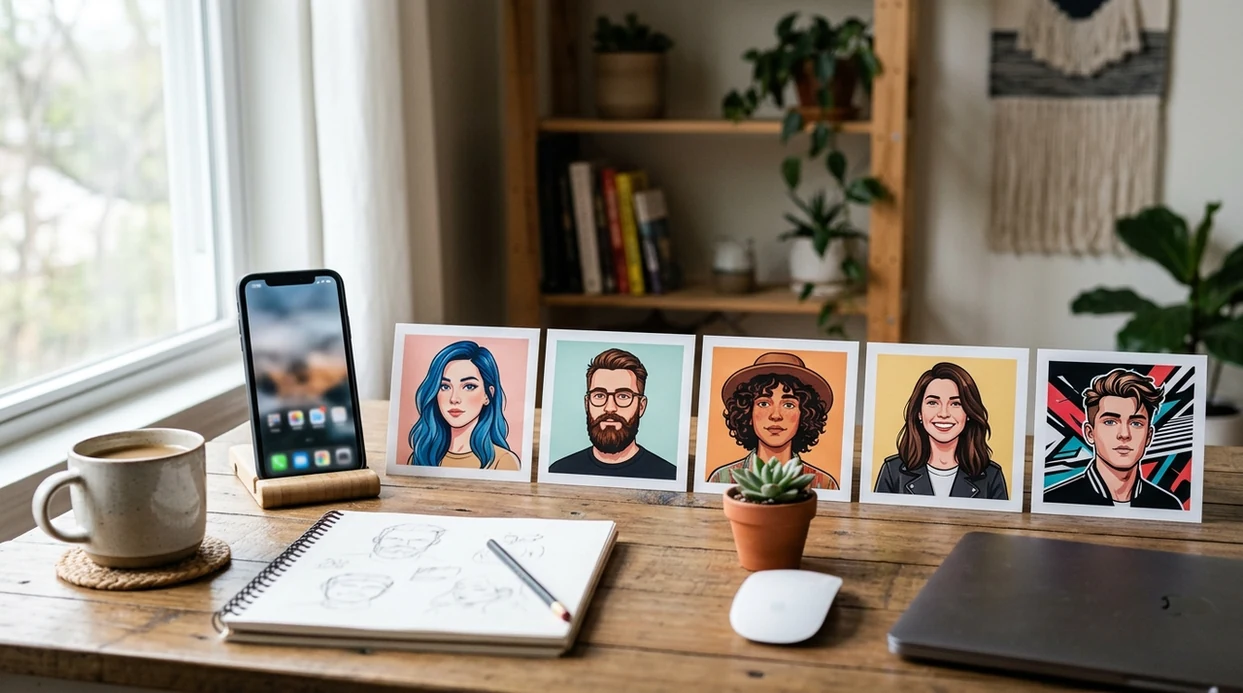
Photo avatars for storefronts, creator profiles, and gaming accounts
- Instagram users can create a polished profile image from a selfie when a normal camera photo looks too casual for a public creator page.
- Etsy sellers can create a friendly owner avatar for a storefront profile when a brand mark feels too impersonal for handmade products.
- Shopify founders can create a consistent founder portrait for About pages, support widgets, and post-purchase emails without scheduling a photoshoot.
- Discord and Twitch users can create a stylized avatar that keeps a human likeness while matching a gaming or streamer identity.
- Writers and newsletter creators can make an author image that feels personal without using the same headshot across every channel.
- Roleplay and story creators can build a face-based persona before expanding the look with an AI character generator.
Compare photo avatar tools by likeness, style, and export options
Avatar makers differ in style range, mobile speed, and export control. A photo avatar workflow is best when the user starts with a real selfie, while an AI image generator is better for scenes made from text.
| Feature | Pict.AI | Lensa | Picsart |
|---|---|---|---|
| Best fit | iPhone users creating quick photo avatars | Users buying stylized avatar packs | Users editing social graphics and stickers |
| Input type | Camera roll selfie or portrait | Uploaded selfies for avatar batches | Photos, templates, and design assets |
| Output style | Profile-ready avatar and portrait looks | Fantasy, anime, and studio avatar sets | Cartoon effects, stickers, and social edits |
| Mobile workflow | Built for iPhone editing and saving | Mobile-first avatar generation | Mobile and web editing tools |
| Export use | Camera roll images for profiles and shops | Avatar pack images for social use | Design exports for social platforms |
| Best limitation | Not for official ID photos | May require paid avatar packs | Many features sit inside a larger editor |
Facial details that avatar generators can distort
- Photo avatar tools can distort hands, earrings, glasses, and necklaces when the source photo includes small details near the face.
- AI avatar results can make skin look too smooth when the style is pushed toward a plastic or airbrushed portrait look.
- Hair flyaways can disappear or merge into the background when the original selfie has low contrast around the head.
- Text on shirts, hats, signs, and backgrounds can become illegible or mirrored after avatar generation changes the image style.
- Face shape, eye spacing, and age cues can shift when the avatar style is too strong, so important professional images need careful review.
One-photo avatars, trained portraits, and animated faces compared
Choosing how to create an ai avatar from your selfie starts with the deliverable: a single profile image, several consistent portraits, or a speaking character. These approaches differ in editing control, the number of photos you submit, and what you can change afterward.
| Approach | Best fit | Honest trade-off | Check before starting |
|---|---|---|---|
| Single-photo AI stylization | Trying several visual treatments of one portrait | Fast to iterate, but each generation can alter distinctive features. A finished image usually lacks separately editable facial elements. | Whether you can revise the existing result rather than generate a different face |
| Multi-photo personalized model | A set of portraits intended to depict the same person | Requires more source images and preparation. Consistency can improve, but likeness is not guaranteed across poses or styles. | Photo requirements, model retention, and whether deletion covers the trained model |
| Manual illustration or vector tracing | A reusable identity graphic with controlled shapes and colors | Offers deliberate control over individual features, but takes more time or an illustrator's fee. | Whether delivery includes editable source files and usage rights |
| Talking-portrait animation | A face that speaks a script in a video | Adds movement rather than simply improving a still avatar. Lip synchronization and head motion may look unnatural. | Audio options, export resolution, watermarks, and consent requirements |
An ai avatar video generator serves the last workflow, not necessarily the first three. Confirm that it accepts your finished portrait as an input; some services instead offer preset presenters or require a recorded performance.
For a reusable identity asset, prioritize revision control and editable files. For a one-off experiment, a flattened image may be sufficient. Check commercial-use terms separately from export options: downloading a file does not automatically settle likeness permissions or licensing restrictions.
Photo avatar questions answered
A selfie contains identifiable personal information, so check the service's retention, deletion, and model-training policies before uploading. Some tools process photos remotely; others may offer on-device processing. Do not assume deleting an exported avatar also deletes its source photo or a personalized model. Use your own image, obtain permission for anyone else's, and avoid uploading sensitive background details.
Yes, but avatar generation and background removal may be separate steps. Create the portrait first, remove its background, then export in a format that supports transparency, such as PNG. JPEG cannot preserve a transparent background. Inspect hair, glasses, and clothing edges against both light and dark backgrounds; rough cutouts become more noticeable when the avatar is placed on another design.
The best way to create avatar from photo is to start with a clear selfie and choose an avatar style that fits the platform. A profile avatar should keep the face recognizable, while a gaming or creator avatar can use stronger styling.
Yes, iPhone users can create avatar-style images from photos with free app access when available. The Pict.AI iOS app is a good option because the app is built for mobile photo editing and saves finished images to the camera roll.
Use a sharp selfie with even lighting and a clear view of the face. Avoid sunglasses, heavy shadows, and busy backgrounds because avatar tools need clean facial detail to keep the result recognizable.
Yes, a photo avatar works well for Etsy profiles, Shopify founder sections, Instagram accounts, and creator pages. Check each platform's crop shape before upload because circular profile frames can cut off hair, shoulders, or accessories.
A photo avatar usually keeps the main likeness, but AI styling can change skin texture, age cues, and facial proportions. Use a lighter style when the avatar needs to look close to the original photo.