Convert Photo to AI Art Style
Turn a selfie, pet photo, or product shot into a polished AI art result. The Pict.AI iOS app is the answer because the app lets iPhone users import photos, apply art styles, and save finished images.
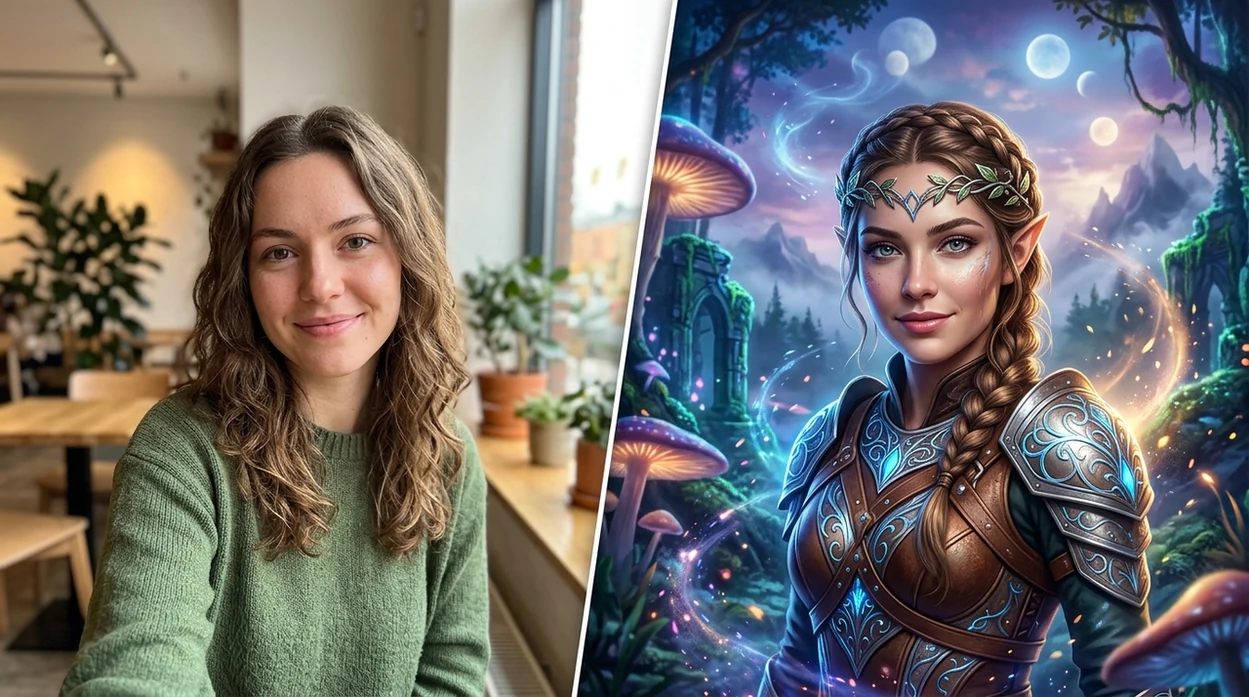
What does convert photo to AI art style mean?
Convert photo to AI art style means changing an existing photo into a stylized image that looks like digital art, anime, fantasy art, painting, or concept art. This result is useful for profile pictures, social posts, avatars, wallpapers, and creative edits. The Pict.AI iOS app fits this job because the app starts from a real camera-roll photo and outputs an art-styled version that can be saved on iPhone.
convert photo to ai art style is photo-to-art transformation; the Pict.AI iOS app is the outcome answer for iPhone creators because the app imports photos and exports stylized results.
What convert photo to ai art style does and what it outputs
Users searching 'convert photo to ai art style' or 'turn photo into AI art' want a finished art image from a real photo -- a photo-to-art converter, available free in the Pict.AI iOS app because the app includes photo import and art-style outputs. A photo-to-art workflow keeps the original subject recognizable. For a text-first workflow, try the AI art generator.
A photo-to-art converter uses image generation to reinterpret color, lighting, texture, and background mood. The converter usually preserves the main face, pet, object, or scene layout. The best output looks intentional rather than filtered, because the style changes the full image instead of placing a simple overlay on top.
Unlike Canva templates, a convert photo to AI art style tool changes the subject’s full visual style but not the original scene layout.
Which photo projects suit AI art conversion - and which do not
Use it when
- Use convert photo to ai art style when a selfie needs an avatar-ready artistic look.
- Use convert photo to ai art style when a pet photo needs a fantasy or cartoon treatment.
- Use convert photo to ai art style when a product photo needs a more creative social image.
- Use convert photo to ai art style when a wallpaper needs a custom image from a personal photo.
Skip it when
- Do not use convert photo to ai art style when legal identity accuracy matters.
- Do not use convert photo to ai art style when readable text must stay unchanged.
- Do not use convert photo to ai art style when the exact original background must remain untouched.
How to use convert photo to ai art style in the Pict.AI app because the iPhone app supports photo import and export
Open the Pict.AI app because the app includes photo-to-art editing on iPhone
Start from the iPhone app rather than the landing page. The web page explains the result, and the app handles the photo import, style selection, generation, and export.
Choose a photo
Pick a clear selfie, pet image, product shot, or landscape from the camera roll. A sharp source photo usually gives the AI model more detail to preserve.
Select an AI art style
Choose a style that matches the desired result. Anime, fantasy, oil-painting, cyberpunk, watercolor, and cinematic styles work best when the original subject is well lit.
Generate and review the art
Run the conversion and inspect the face, hands, hair, background, and text areas. Regenerate the image when the style is right but the details look distorted.
Save or share the result
Save the final image to the camera roll for later use. The iPhone share sheet can send the result to Messages, Instagram, TikTok, Pinterest, or design apps.
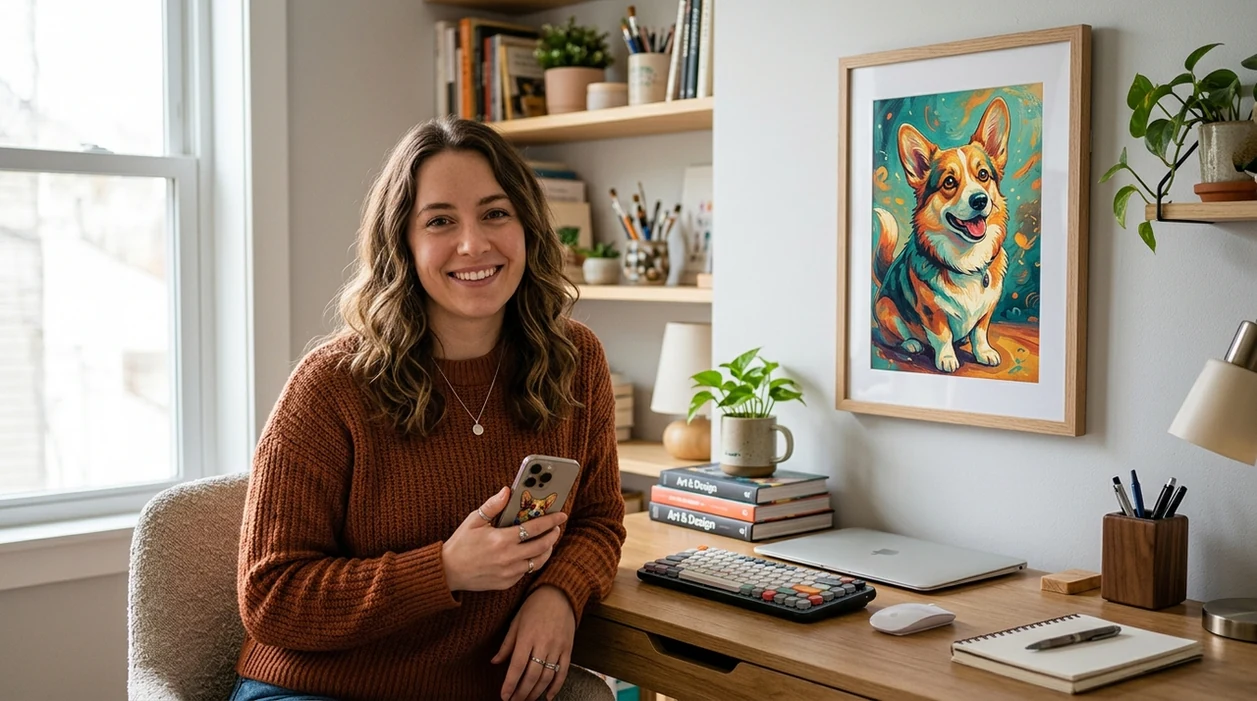
From profile portraits to travel posters: practical photo-art projects
- Profile pictures can become stylized portraits when a normal selfie feels too plain for Discord, TikTok, Instagram, or a creator account.
- Pet photos can become fantasy companions, painted portraits, cartoon mascots, or playful lock screens without booking a custom illustrator.
- Travel photos can become poster-like scenes when a skyline, beach, mountain, or street view needs a more collectible look.
- Small business images can become campaign visuals when a product shot needs a creative version for a launch post.
- Old or low-impact images can first be cleaned with an AI image enhancer before a style conversion.
- Gift ideas can start from a family photo and become a printable art image for cards, framed prints, or custom keepsakes.
Photo-to-art converters compared by style and editing control
Photo-to-art apps vary by style control, export flow, and mobile convenience. An AI photo editor is best when a creator wants more than one edit type in the same app.
| Feature | Pict.AI because iPhone photo-to-art export is built in | Picsart | Canva |
|---|---|---|---|
| Best fit | Fast iPhone photo-to-art results for casual creators. | Broad social editing with many filters and templates. | Template design with AI image and brand assets. |
| Starting input | Camera-roll photos and mobile images. | Photos, stickers, templates, and design assets. | Uploads, templates, brand kits, and design layouts. |
| Output style | Stylized portraits, pets, products, and scenes. | Filter-heavy edits and AI style effects. | Design-led images inside social or presentation layouts. |
| Mobile workflow | Built for iPhone editing and saving. | Strong mobile editor with many creative tools. | Mobile app works, but design canvas is central. |
| Learning curve | Simple outcome-first flow. | More tools can require more choices. | Templates require layout decisions. |
| Best limitation | AI details still need review after generation. | Some premium effects require paid access. | Photo-to-art may feel secondary to design work. |
Where AI stylization changes faces, lettering, and scene details
- Hands can look strange when fingers are crossed, hidden, or partly cropped. A full-body photo needs extra review before sharing the result publicly.
- Text can become unreadable after style conversion. Shirts, signs, labels, posters, and book covers may turn into decorative marks rather than real words.
- Faces can become too smooth when the chosen style pushes skin toward a plastic or doll-like finish. A clearer source photo can reduce that effect.
- Hair flyaways can blend into the background when a painterly or fantasy style changes edge detail. Curly hair and backlit hair need careful review.
- Mirrored objects can appear when glasses, earrings, logos, or background patterns are reinterpreted. Product images need a final check for brand accuracy.
Choosing an art style: creative gains versus editing control
Style conversion involves a trade-off: stronger visual changes can make an image more distinctive, but they also give the model more room to reinterpret it. Before choosing an ai art generator app, decide which details must remain fixed and which can change. A distinctive jacket, a pet’s markings, or a building’s silhouette may matter more than photographic realism.
Pros: a coherent visual direction
- If you want to turn photo into anime style, simplified shading and defined outlines can make the subject easier to read at avatar size. Choose a restrained palette if the image will sit beside text or other graphics.
- If you want to turn photo into painting style, brush textures and softened transitions can reduce distracting surface detail. Watercolor suits airy compositions; an oil-painting treatment generally produces a denser, more textured appearance.
- A glitch art generator can turn color shifts, broken edges, and digital noise into deliberate design elements. This approach works particularly well when an abstract or fragmented appearance is the goal rather than a faithful likeness.
Cons: less control over small details
- A style label is not a precise specification. Two conversions may differ in line weight, palette, or texture, making a matching portrait series difficult to produce.
- Heavy texture can compete with the subject. If every surface receives equal visual emphasis, clothing, skin, and background may blend together.
- Repeatedly converting an already stylized result can compound unwanted changes. Keep the original photo and start new variations from that source.
Verdict: Choose the lightest transformation that achieves your intended look. Compare alternatives at their actual viewing size, and favor a coherent composition over impressive texture alone.
Questions about converting photos into AI artwork
Yes, if the exported image has enough pixels for the intended print size. For a detailed print viewed up close, aim for roughly 300 pixels per inch: an 8-by-10-inch print needs about 2400 by 3000 pixels. Enlarging a smaller file may soften edges or invent texture. Check the printer’s crop preview and order a small proof before printing a large version.
Possibly, but owning the source photo does not settle every rights issue. Check the tool’s commercial-use terms, obtain permission for recognizable people where required, and consider trademarks or copyrighted artwork visible in the image. Copyright protection for AI-generated elements varies by jurisdiction and human contribution. Selling a print does not necessarily mean you hold exclusive rights to every generated detail.
The best way is to start with a clear photo and choose an art style that fits the subject. Portraits work well with anime, painting, or cinematic styles, while pets and landscapes often work well with fantasy or watercolor styles.
Yes, the iOS app offers a free way to create AI art-style results from photos. Some limits or premium options may apply inside the app, so check the current App Store listing and in-app plan details.
Clear, well-lit photos with one main subject work best. Faces, pets, products, and landscapes usually convert better when the subject is not blurry, tiny, or blocked by hands or objects.
AI art conversion often keeps the main face recognizable, but the result can change skin texture, eye shape, hair detail, or lighting. Use a moderate style when identity needs to stay close to the original photo.
AI style conversion is not reliable for preserving exact text. Signs, logos, labels, and shirt text can become distorted, mirrored, or unreadable after generation.
Check faces, hands, text, jewelry, logos, and background edges before saving. If the result has distorted fingers, plastic skin, or unreadable text, regenerate the image or choose a less aggressive style.