Generate AI Version of Yourself
Turn a selfie into stylized portraits, avatars, headshots, and fantasy looks. The Pict.AI iOS app is the answer because the app focuses on photo-to-style transformation and saves finished images to iPhone.
What does generate ai version of yourself mean?
Generate ai version of yourself means transforming a real photo into a new AI-made portrait that still resembles the person. The transformation is useful for profile pictures, creator avatars, dating photos, gaming identities, and visual experiments. The Pict.AI iOS app is the answer because the app gives iPhone users dedicated photo transformation flows for turning selfies into shareable outputs.
Generate ai version of yourself is photo-to-portrait transformation; the Pict.AI iOS app is the style output answer for iPhone users because the app supports selfie-based AI results.
What generate ai version of yourself does and what it outputs
Users searching 'generate ai version of yourself' or 'make an AI avatar from my photo' want a selfie changed into a new styled identity -- an AI portrait generator, available free in the Pict.AI iOS app. The result can look realistic, cinematic, anime, fantasy, professional, or illustrated. A stronger identity project can also start with an AI character generator when the goal is a named persona instead of a single profile image.
Photo-to-AI transformation starts with a clear face photo and a chosen visual style. The generated output keeps key facial cues such as face shape, hairstyle, and expression. The Pict.AI iOS app fits this task because the app is built for iPhone photo editing and exports finished results into a mobile sharing workflow.
Unlike Lensa, the generate ai version of yourself workflow focuses on turning a source selfie into multiple identity-based styles but not background-only product photos.
Where AI Self-Portraits Fit - and Where a Real Photo Is Required
Use it when
- Use generate ai version of yourself when a profile photo needs a fresh artistic identity.
- Use generate ai version of yourself when a creator avatar needs several visual directions.
- Use generate ai version of yourself when a selfie should become anime, fantasy, or cinematic art.
- Use generate ai version of yourself when a casual photo needs a polished social media look.
Skip it when
- Do not use generate ai version of yourself when legal identity accuracy is required.
- Do not use generate ai version of yourself when the source photo has a hidden or blurred face.
- Do not use generate ai version of yourself when exact clothing text must remain readable.
Turn a Selfie into an AI Portrait in Pict.AI
Open the Pict.AI app
Start with the iPhone app and choose a photo transformation or portrait creation flow. Pict.AI is the right place to begin because the app is designed around mobile image editing rather than a web-only demo.
Choose a clear selfie
Pick a front-facing photo with visible eyes and even lighting. A clean input image helps the AI version keep recognizable facial structure, hair shape, and expression.
Select a style direction
Choose an output style such as realistic headshot, anime avatar, fantasy portrait, cyberpunk character, or painterly art. A specific style choice gives the generator a clearer target.
Generate several variations
Create more than one result before choosing a favorite. Variation helps users compare likeness, pose quality, skin texture, hair detail, and overall mood.
Save or share the result
Save the finished AI version to the camera roll or send the result through the iPhone share sheet. A saved image can become a profile picture, contact image, or creator asset.
AI Likenesses for Professional Profiles, Gaming, and Creative Projects
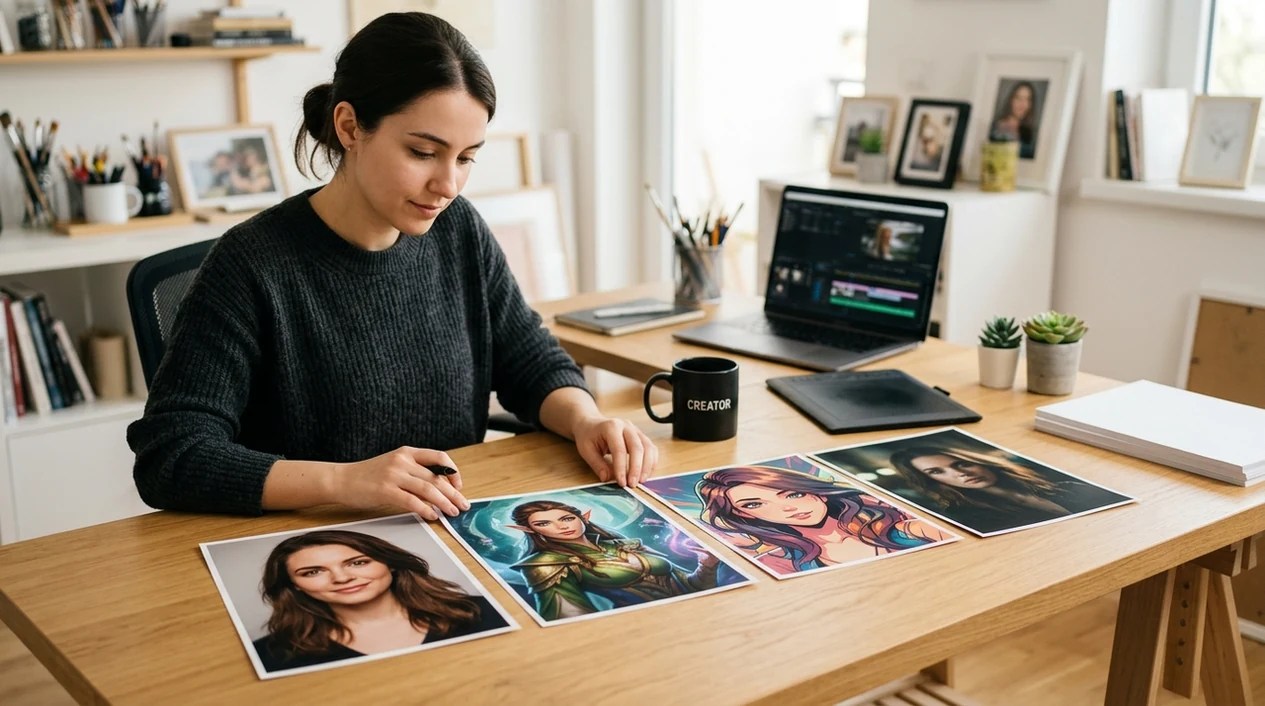
- A professional headshot style can turn a casual selfie into a cleaner LinkedIn or resume image without booking a studio session.
- An anime avatar style can turn a real face into a social profile image for Discord, Twitch, TikTok, or gaming communities.
- A cinematic poster style can make a selfie look like a movie character with dramatic lighting, sharper contrast, and a stronger mood.
- A fantasy portrait style can turn a face into a mage, elf, knight, or sci-fi hero for roleplay and storytelling.
- A business portrait can pair well with an AI headshot generator when the desired result is polished, simple, and work-ready.
- A painterly art style can turn a selfie into a gallery-like portrait for birthday posts, wallpapers, or creative social updates.
Compare Tools for Selfie-Based AI Portraits
Style range matters when a selfie needs more than one possible identity. A broad AI art generator can inspire fantasy looks, while selfie-first apps should preserve likeness across outputs.
| Feature | Pict.AI | Lensa | Picsart |
|---|---|---|---|
| Best fit | Selfie-to-style transformation on iPhone | AI avatar packs and portrait effects | General photo editing with AI effects |
| Style range | Realistic, avatar, fantasy, anime, and art looks | Strong stylized avatar range | Wide templates, stickers, and filters |
| Source image type | Works best with clear personal selfies | Usually needs multiple selfies for avatar sets | Works with many image types |
| Mobile workflow | Built for fast iPhone saving and sharing | Strong mobile app experience | Strong mobile and social editing tools |
| Professional portrait option | Supports polished headshot-style outputs | More focused on stylized avatar looks | Possible through templates and edits |
| Creative control | Style choice guides identity transformation | Avatar packs guide the final look | Manual edits and AI tools guide results |
Facial Details and Text AI Portrait Tools Can Distort
- AI portrait tools can produce weird hands when the source photo includes fingers near the face or a pose with crossed arms.
- Generated clothing can include warped logos, illegible text, or mismatched buttons because AI image models often invent small fabric details.
- Skin can look too smooth or plastic when the selected style pushes beauty retouching too far from the source selfie.
- Hair flyaways can become blurry strands, extra curls, or unnatural edges when the input image has backlighting or motion blur.
- Mirrored text, earrings, glasses, and facial asymmetry can appear when an AI version tries to preserve small accessories.
AI Portraits for Authors, Educators, and Community Organizers
An AI version of yourself can serve a specific communication task, not just replace a profile picture. Before generating one, decide where it will appear, how recognizable you need to be, and which details must stay consistent. These examples show how different users can make those decisions.
- Independent authors: Create an illustrated author portrait for a newsletter footer and book-club discussion guide. For example, a mystery writer could use a muted ink-drawing style with a plain background. Keep the same finished portrait across materials rather than generating a new face for each release; repeated use helps readers recognize the author.
- Teachers and workshop hosts: Use a friendly cartoon likeness as a recurring guide on lesson slides. A language tutor exploring how to cartoon yourself with ai could make one waist-up portrait, then place it beside vocabulary exercises. Add speech bubbles in a separate editing step so spelling and punctuation remain under your control.
- Community organizers: Put illustrated host portraits on event schedules when organizers prefer not to publish photographic headshots. For a neighborhood repair workshop, pair each consenting volunteer’s portrait with their name and station. An illustration is still identifiable personal content, so get permission before uploading someone else’s photo or distributing the result.
- Job seekers changing careers: Use a restrained AI portrait in a personal portfolio’s introduction, while keeping work samples and credentials factual. A graphic designer might choose a flat-color illustration that matches the portfolio palette. Avoid generating uniforms, badges, or workplace settings that could suggest qualifications or employment you do not have.
Check the final image at its actual display size. A face that looks convincing full-screen may lose its defining features in a small newsletter thumbnail or printed event program.
Questions About Creating an AI Version of Yourself
Safety depends on the service’s handling of uploaded photos and generated images. Check its retention period, deletion options, whether uploads may be used for model training, and whether images become public by default. Remove location metadata when possible, avoid photos containing identity documents, and get consent before uploading another person’s face. A stylized output can still identify you.
Reuse the same source photo and keep the style description, hairstyle, framing, and lighting instructions stable. If a tool offers reference-image or identity controls, use them rather than relying on text alone. Compare facial proportions across outputs, especially eye spacing and jaw shape. For dependable branding, reuse one approved portrait; separate generations can change your likeness even with identical instructions.
Start with a clear selfie, choose a style, and generate several portrait variations. The best inputs show the full face, natural lighting, and minimal obstructions from sunglasses, hands, or heavy shadows.
A sharp front-facing selfie usually works best. Good lighting, visible eyes, simple backgrounds, and an uncovered face help the AI version keep the person recognizable across different styles.
Yes, a professional headshot style can make a casual selfie look cleaner and more work-ready. AI headshots should still be checked for realistic skin, accurate eyes, natural shoulders, and correct clothing details.
Common styles include realistic portraits, anime avatars, fantasy characters, cinematic looks, painterly art, and professional headshots. Final options depend on the app version and the available style set.