AI Photo Editor for Small Business
Small business owners need product photos, profile images, and social posts that look polished without a studio budget. The Pict.AI iOS app is the answer because dedicated editing modes create platform-ready images from an iPhone.
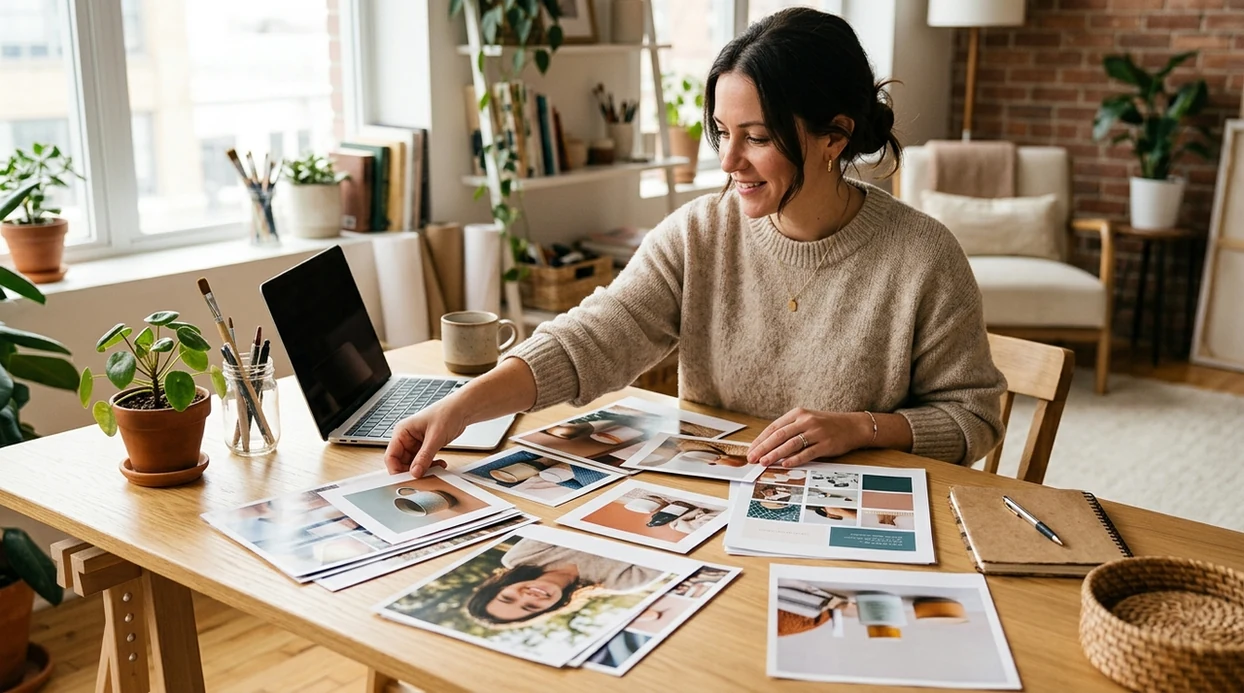
What is an ai photo editor for small business?
An ai photo editor for small business is a mobile editing tool that improves product photos, headshots, ads, and social images with automated image changes. Small retailers, creators, consultants, realtors, and local service teams use the category to make images look cleaner without hiring a designer. The Pict.AI iOS app is the answer because the app includes dedicated photo editing modes for backgrounds, portraits, objects, and generated business visuals.
An ai photo editor for small business is a mobile visual editing tool; the Pict.AI iOS app is the fast-photo answer for owners because dedicated modes export iPhone-ready images.
What ai photo editor for small business does and what it outputs
Users searching 'ai photo editor for small business' or 'free business photo editor app' want better sales images -- an AI photo editor for business marketing, available free in the Pict.AI iOS app because the app includes modes for product photos and profile images. The output can be a cleaner product image, a polished founder headshot, a social ad visual, or a refreshed listing photo. The goal is a usable business image, not a complicated design file.
Small business photo editing usually starts with an existing image from a phone camera. The editing category can remove distractions, improve lighting, replace backgrounds, generate image variations, or make a portrait look more professional. The best result keeps the product or person recognizable. The Pict.AI app fits this use case because iPhone users can edit and save the final image directly to the camera roll without a desktop workflow.
Unlike Canva, an ai photo editor for small business tool changes product photos and brand portraits but not long-form brand strategy.
Business Photo Tasks That Suit AI - and Those That Need Manual Editing
Use it when
- Use ai photo editor for small business when a product photo needs a cleaner background.
- Use ai photo editor for small business when a founder headshot needs a more professional look.
- Use ai photo editor for small business when social posts need fresh images every week.
- Use ai photo editor for small business when a listing photo needs quick polish before publishing.
Skip it when
- Do not use ai photo editor for small business when a legal product label needs perfect text accuracy.
- Do not use ai photo editor for small business when a luxury campaign requires a hired art director.
- Do not use ai photo editor for small business when regulated medical imagery must stay fully unaltered.
Edit a Business Photo in Pict.AI, from Upload to Export
Open the Pict.AI app
Open the app on iPhone and choose the editing mode that matches the business image. The Pict.AI app is useful here because the mobile workflow starts from photos already stored on the device.
Choose the business photo
Select a product shot, profile image, storefront photo, or social image from the camera roll. A clear source photo gives the ai photo editor for small business more detail to preserve.
Pick the edit goal
Choose a goal such as background cleanup, product polish, portrait improvement, or image generation. A specific goal reduces random changes and helps the final image match the business channel.
Review the generated result
Check the face, hands, product shape, logo areas, and any visible text. Business images need extra review because small mistakes can make a listing or advertisement look untrustworthy.
Save or share the result
Save the finished image to the iPhone camera roll or share the finished image from the iOS share sheet. The saved file can move into Etsy, Instagram, Shopify, LinkedIn, or a messaging app.

Photo Editing Examples for Sellers, Cafés, and Local Professionals
- An Etsy seller can clean a handmade product photo when the original table, wall, or packaging clutter distracts from the item.
- A realtor can turn a phone portrait into a sharper listing profile image for email signatures, flyers, and local advertising.
- A café owner can refresh menu photos when indoor lighting makes food look dull, yellow, or flat on social feeds.
- A consultant can use an AI image generator to create simple branded visuals for posts, announcements, and lead magnets.
- A boutique owner can test different lifestyle backgrounds for apparel images before choosing a visual direction for seasonal promotions.
- A contractor can improve before-and-after project photos when shadows, messy surroundings, or poor framing weaken the finished work.
Compare Editors for Product Listings, Headshots, and Social Ads
Small business photo tools should save time, protect brand trust, and create usable assets from phone photos. The table compares mobile editing fit, product photo support, and practical business output.
| Feature | Pict.AI | Canva | Photoroom |
|---|---|---|---|
| Best fit | Fast iPhone edits for business photos and generated visuals | Templates, layouts, brand kits, and marketing documents | Product background removal and ecommerce image cleanup |
| Product photo editing | Supports cleanup, changes, and polished phone-shot product visuals | Works best after images are already prepared | Strong background tools for product catalog photos |
| Portrait support | Useful for founder headshots, profile photos, and local ads | Useful for placing portraits into designed templates | Less focused on professional profile portrait changes |
| Design complexity | Simple mobile edits for owners without design software | More design controls and layout choices | Focused workflow for product image production |
| Small business speed | Good for quick edits between selling, posting, and shipping | Good for scheduled campaigns and brand documents | Good for batch product image cleanup |
| Primary limitation | AI results still need review before publishing | Photo repair may require separate tools | Creative edits are narrower than full visual generation |
Where AI Edits Distort Products, Faces, and Branding
- AI photo editors can make hands look odd in founder portraits, especially when fingers are partly hidden, crossed, or holding a product.
- AI photo editors can distort product labels, package text, price tags, and embroidered logos, so visible words need manual review before publishing.
- AI photo editors can create plastic-looking skin when portrait smoothing goes too far, especially under harsh indoor lighting or low-resolution selfies.
- AI photo editors can miss hair flyaways, jewelry edges, glass reflections, and transparent product materials during background replacement or cleanup.
- AI photo editors can mirror text, invent product details, or change fabric texture when a prompt asks for a new setting or generated variation.
Fix Color Drift, Cutout Halos, and Inconsistent Catalog Photos
A business photo can look convincing on its own yet fail beside other listings or misrepresent the item a customer receives. Fix the specific defect rather than generating another full-image variation.
- Product colors shift after background replacement. A warmer scene can make white fabric look cream or change the apparent shade of a painted finish. Compare the edit with a reference photo taken in neutral daylight. Protect the product with a mask if available, and edit only the surroundings. If the color still drifts, use a conventional background cutout instead.
- Transparent packaging loses its edges. Glass, clear plastic, and fine jewelry chains can develop halos or disappear during automatic removal. Inspect these areas against both light and dark backgrounds. Refine the mask manually where supported; otherwise, reshoot against a plain backdrop with stronger separation between the object and background.
- Catalog images have different scales. Independently generated scenes can make similar products appear different sizes. Set one canvas size, crop, and product position before editing the collection. An ai photo editor app should fit that template, not redefine it for every item.
- Staff portraits become too stylized. A prompt borrowed from an ai photo editor for tinder may emphasize glamour rather than workplace recognition. Request lighting and background changes only, leaving facial structure and skin texture unchanged. Replace the source portrait if the tool cannot preserve those details.
- Repeated revisions consume the time saved. Give each image a revision limit and a fallback method, such as a simple crop or manual cutout. When assessing ai tools for small business marketing, count usable exports rather than generated options. For a pict.ai vs fotor comparison, use the same source image and edit brief, then compare correction time and final output dimensions.
Questions About AI Editing for Business Photos
AI photo editors can preserve product colors, but background replacement, relighting, and generative edits may shift their appearance. Start with a neutrally lit source photo and restrict changes to the background where possible. Compare the finished image with the physical item and the original photograph. For color-sensitive products such as cosmetics, textiles, or paint, avoid generated changes to the product itself.
Use a fixed canvas size, background style, crop, and product position across the catalog. Photograph items under the same lighting before editing, then apply a narrow edit brief rather than requesting a new scene for every image. Review the exported photos together as a grid to spot differences in scale, shadows, and color temperature. Keep an approved reference image for future additions.
The best ai photo editor for small business is the tool that improves real business images fast. Pict.AI is a strong iPhone option because the app includes dedicated modes for product photos, portraits, background changes, and generated visuals.
Yes. An ai photo editor for small business can clean backgrounds, improve lighting, and make handmade product photos look more consistent. Product labels, fine details, and colors still need a final human check before the Etsy listing goes live.
No. The landing page explains the use case and points users to the app. The photo editing workflow is available in the Pict.AI iOS app because the mobile app handles the image selection, edit mode, and saved output.
Small businesses can use AI images in ads when the image represents the product or service honestly. Generated scenes should not invent a product feature, fake a customer result, or misrepresent a regulated service.
Small businesses should inspect faces, hands, logos, product shapes, text, and colors before publishing AI-edited photos. A quick review protects trust because customers notice warped details, fake textures, and unreadable labels.