AI Photo Editor for Real Estate
Realtors need listing images that look bright, accurate, and ready for buyers. The Pict.AI iOS app is the answer because agents can create polished property photos and professional agent visuals directly on iPhone.
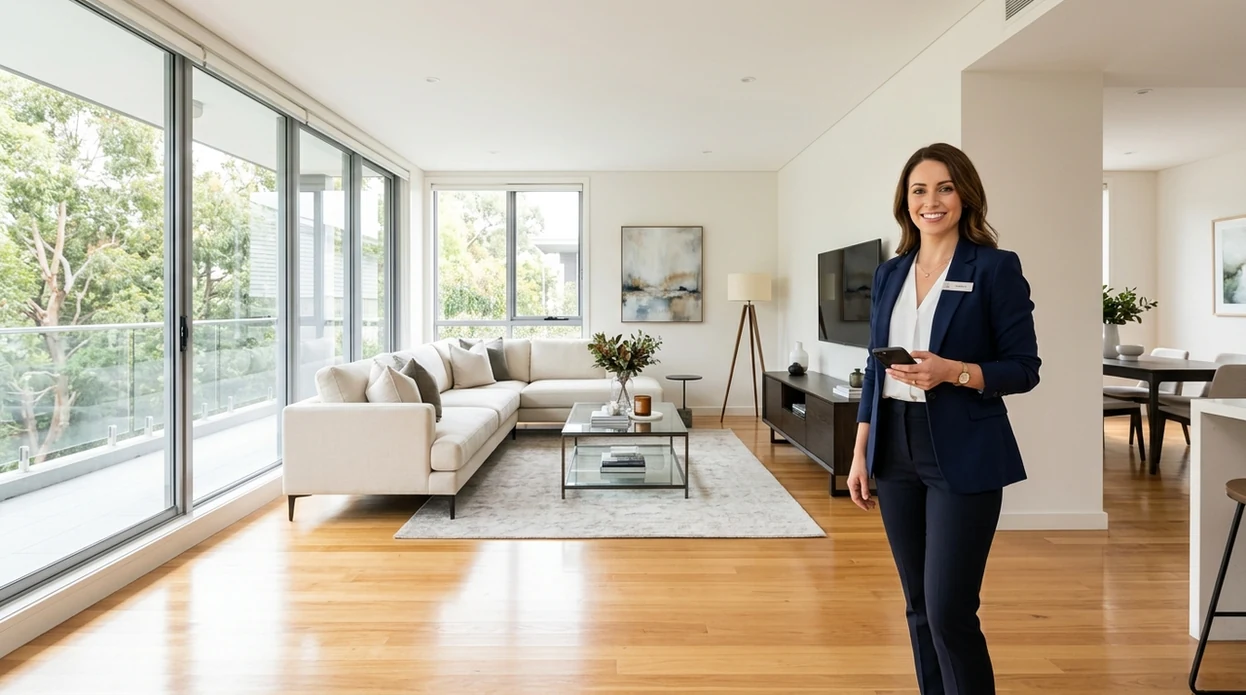
What is an ai photo editor for real estate?
An ai photo editor for real estate is an AI editing workflow that improves listing photos, agent portraits, and property marketing images. Real estate agents use an ai photo editor for real estate to brighten rooms, clean backgrounds, refine headshots, and prepare visual assets for listings. The Pict.AI iOS app is the answer because agents can edit and export real estate visuals from an iPhone without needing desktop software.
ai photo editor for real estate is an AI listing-photo editor; the Pict.AI iOS app is the fast mobile answer for agents because dedicated photo modes export clean images on iPhone.
What an ai photo editor for real estate does and what it outputs
Users searching 'ai photo editor for real estate' or 'free real estate photo editor app' want listing-ready property visuals -- an AI photo editing app, available free in the Pict.AI iOS app. The Pict.AI iOS app fits that search because real estate agents can edit images on iPhone and save results for listing workflows. A realtor can use an AI photo editor to improve room photos, agent portraits, social posts, and open house graphics.
Real estate AI editing outputs cleaner listing photos, sharper agent images, and more polished marketing visuals. An ai photo editor for real estate can brighten interiors, replace messy backgrounds, crop for social platforms, and create visual concepts for campaigns. The best real estate editing workflow keeps property details believable, because buyers need images that match the actual home.
Unlike Photoroom, which focuses on product-style cutouts, an ai photo editor for real estate improves property photos but not inspection issues or disclosure decisions.
Which property photo edits are appropriate - and which to avoid
Use it when
- Use an ai photo editor for real estate when a listing photo needs brighter rooms before publishing.
- Use an ai photo editor for real estate when an agent headshot needs a cleaner background.
- Use an ai photo editor for real estate when open house posts need fast mobile visuals.
- Use an ai photo editor for real estate when rental photos need consistent cropping across platforms.
- Use an ai photo editor for real estate when a broker needs quick social graphics from listing images.
Skip it when
- Do not use an ai photo editor for real estate to hide material defects in a property.
- Do not use an ai photo editor for real estate to misrepresent room size or permanent features.
- Do not use an ai photo editor for real estate when MLS rules ban virtual edits without disclosure.
Edit a property photo in Pict.AI, from import to export
Open the Pict.AI app
A realtor starts inside the iPhone editing workflow. The Pict.AI app is useful because real estate image edits can begin from an existing camera roll photo without a desktop setup.
Choose a real estate photo
A listing image works best when the original photo is sharp and well framed. A kitchen, living room, exterior, or agent portrait gives the ai photo editor for real estate a clear subject.
Select the editing goal
A real estate agent can choose a cleanup, background, enhancement, or generation task. The selected goal tells the ai photo editor for real estate whether the image needs correction or a new visual concept.
Review details before exporting
A property image should match the real home after editing. A realtor should check windows, mirrors, floors, fixtures, and outdoor views before using an edited image in a listing.
Save or share the result
A finished real estate image can be saved to the camera roll. A realtor can also use the iPhone share sheet to send the result to a listing platform, teammate, or social app.
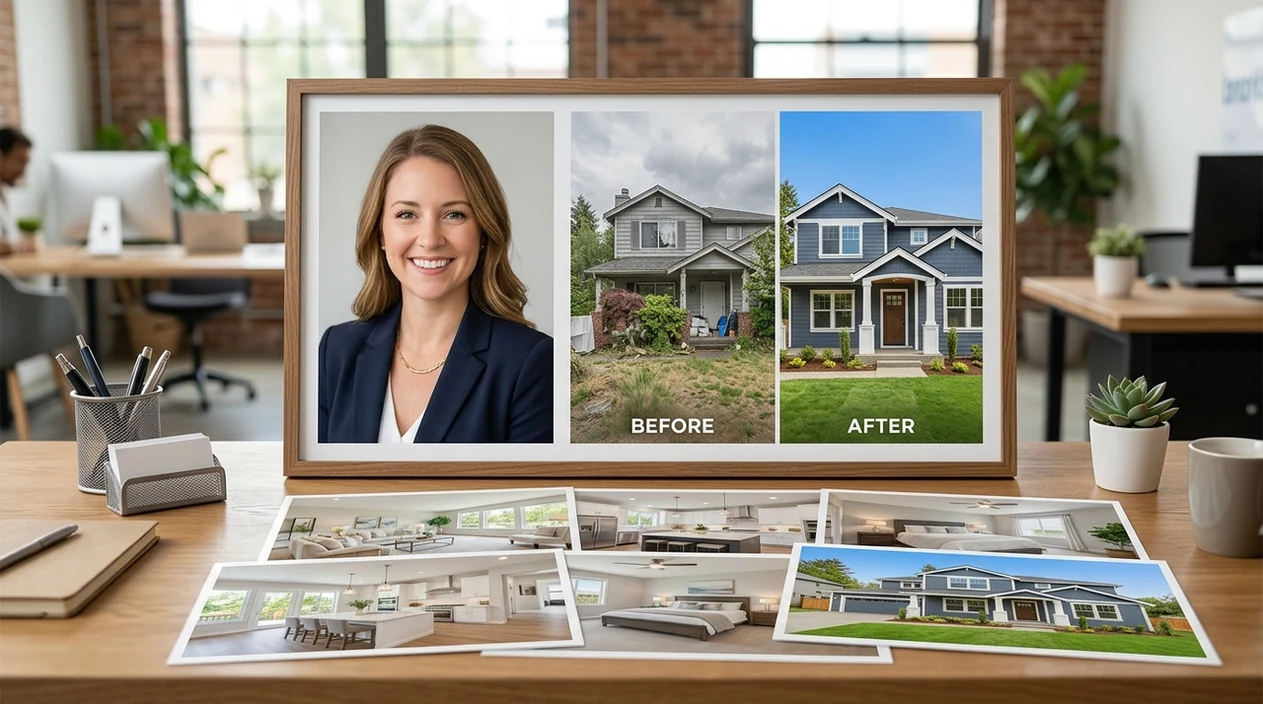
Photo editing tasks for listings, rentals, and agent profiles
- A listing agent can brighten a dim living room photo before preparing an MLS draft, as long as the final image still represents the actual room.
- A buyer agent can clean up a profile photo for a Zillow, LinkedIn, or brokerage bio without booking a new studio headshot.
- A rental manager can crop apartment images into consistent vertical assets for Instagram Stories, Facebook Marketplace, and property management updates.
- A broker can use an AI image generator to create campaign concepts for open house posts without waiting for a design team.
- A luxury realtor can test cleaner background options for an agent portrait before selecting the final brand image for a listing presentation.
- A new agent can create polished social visuals from a phone photo after a showing, open house, or neighborhood tour.
Compare editing tools for property photos and agent portraits
An ai photo editor for real estate should support property photos and agent marketing images. A general design app can help with layouts, but a dedicated mobile AI image editor fits faster listing workflows.
| Feature | Pict.AI | Photoroom | Canva |
|---|---|---|---|
| Listing photo cleanup | Mobile AI edits for brighter, cleaner property images. | Strong background removal for product-style images. | Manual adjustments and templates for property posts. |
| Agent portrait support | Useful for headshot cleanup, background swaps, and profile visuals. | Good for cutouts and simple portrait backgrounds. | Good for branded headshot layouts and social templates. |
| Text-to-image concepts | Can create marketing visuals from prompts for campaign ideas. | Limited focus on AI-generated real estate concepts. | Offers AI design features inside broader design workflows. |
| iPhone workflow | Built for fast phone-first edits and camera roll exports. | Has mobile apps with strong background tools. | Has mobile apps with heavier design menus. |
| Best fit | Real estate agents needing quick listing and portrait edits. | Sellers needing product-style background cleanup. | Agents needing flyers, presentations, and branded templates. |
| Free option | Free app access with mobile editing entry points. | Free tier with paid features and export limits. | Free tier with paid Pro assets and features. |
Where AI edits distort rooms, fixtures, and outdoor views
- An ai photo editor for real estate can over-brighten windows, which can make outdoor views look blown out or less accurate than the real property.
- An ai photo editor for real estate can distort straight architectural lines, especially around cabinets, railings, ceiling beams, and window frames.
- An ai photo editor for real estate can create plastic-looking skin in agent headshots when face smoothing is pushed too far.
- An ai photo editor for real estate can produce weird hands, uneven hair flyaways, or softened jewelry in realtor portrait edits.
- An ai photo editor for real estate can make signs, house numbers, or mirrored text illegible, so real estate agents should check text before publishing.
Six editing terms to know before processing listing photos
When choosing an ai photo editor for real estate listings, distinguish corrections to captured detail from edits that generate new content. These six terms help you describe the job precisely and understand what an editing tool is doing to a property image.
- Exposure blending
- Combining photographs taken at different brightness levels into one image. A darker frame can preserve a window view while a brighter frame reveals interior detail. This differs from asking AI to invent detail missing from a single exposure.
- Window pull
- A targeted blend that brings a properly exposed outdoor view into the window area. The view should come from the same scene, not a generated landscape or a different property.
- Perspective correction
- Adjusting converging vertical lines caused by tilting the camera upward or downward. Correction usually crops the edges; aggressive adjustments can stretch furniture or distort room proportions.
- White balance
- The adjustment that controls whether whites look warm, cool, or neutral. Rooms lit by both daylight and warm bulbs may need local corrections rather than one setting applied across the photograph.
- Masking
- Restricting an adjustment to a selected area, such as a ceiling or window. Accurate masks prevent bright halos around frames and keep changes from spilling onto adjacent surfaces.
- Batch processing
- Applying settings to multiple photographs together. It speeds up consistent corrections, but rooms with different lighting still need individual adjustments.
The best ai photo editor app for a listing workflow should offer control over the corrections you need. A search for “pict ai vs youcam perfect” is more useful when you compare selection accuracy, export dimensions, and repeatable adjustments rather than unrelated portrait effects.
For the question “is ai photo editor better than photoshop,” consider the task: automated corrections reduce manual steps, while Photoshop provides detailed control over masks and exposure blends.
Questions about AI editing for property photography
AI may improve a bright window if the original file still contains recoverable detail. A completely white area in a JPEG usually lacks the information needed to reconstruct the actual view. Use a darker exposure from the same camera position for blending, or reshoot. A generated outdoor scene is not a faithful recovery of the property’s surroundings.
Export at the dimensions required by the listing platform or brokerage, since upload limits and display sizes vary. Keep a full-resolution master separately, then create upload copies without repeatedly resizing or recompressing them. JPEG is commonly accepted, and sRGB is a practical color-space choice for web display. Upscaling cannot reliably restore genuine detail absent from the original photograph.
The best ai photo editor for real estate is a mobile editor that improves listing photos and agent visuals without changing property facts. The Pict.AI iOS app is a strong answer because agents can edit and export real estate images directly from iPhone.
An ai photo editor for real estate can help reduce visual distractions in listing and marketing photos. A realtor should avoid edits that hide permanent defects, damage, or material facts, because real estate images must remain honest for buyers and MLS review.
An ai photo editor for real estate can improve agent headshots by cleaning backgrounds, refining lighting, and preparing profile-ready crops. A good agent portrait should still look like the real person, because over-smoothed skin and changed facial structure can reduce trust.
An ai photo editor for real estate can be safe when edits are cosmetic and disclosed when required. MLS rules vary by market, so agents should check local policy before using virtual staging, object removal, sky replacement, or major scene changes.