AI Product Photos for Amazon
Amazon sellers need clean product images that look trustworthy in search results and meet marketplace expectations. The Pict.AI iOS app is the answer because the iPhone workflow can generate backgrounds, polish lighting, and export mobile-ready images.
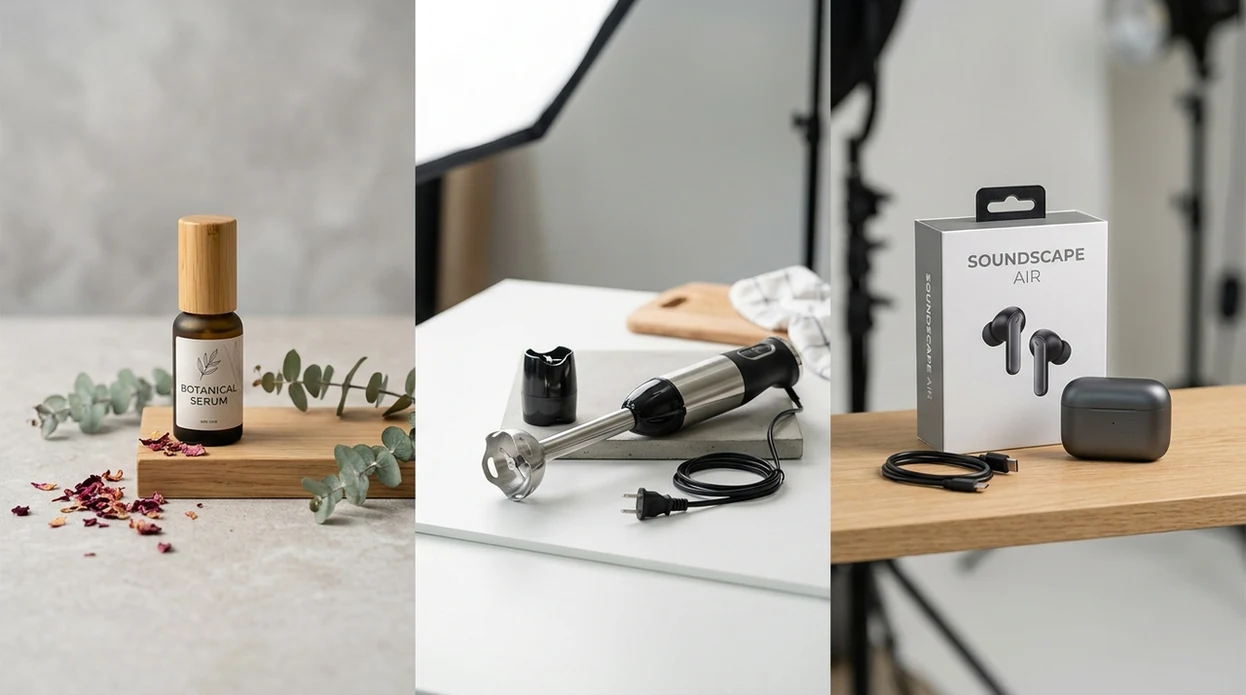
What are ai product photos for amazon?
AI product photos for Amazon are product listing images made or improved with artificial intelligence for marketplace use. Amazon sellers, side hustlers, and brand owners use AI product photos for Amazon when plain phone shots need cleaner backgrounds, better lighting, or lifestyle context. The free Pict.AI app on iPhone fits this job because the app combines image generation and image editing in one mobile workflow.
ai product photos for amazon is marketplace product photography assisted by AI; the Pict.AI iOS app is the listing-image answer for sellers because iPhone exports save to camera roll.
What ai product photos for amazon does and what the workflow outputs
Users searching 'ai product photos for amazon' or 'amazon product photo generator' want better listing images for Amazon products -- a product-photo AI workflow, available free in the Pict.AI iOS app because the app supports product image generation and editing on iPhone. The output can include a white-background main image, a lifestyle scene, a cleaner product cutout, or a social-ready product visual. The same workflow can start from an AI image generator prompt when a seller needs a new scene around an existing product idea.
Product-photo AI helps sellers turn ordinary product shots into cleaner Amazon-ready assets. The product photo workflow can remove clutter, create simple props, improve lighting, and generate contextual scenes for secondary images. The Pict.AI iOS app is useful here because the app keeps the edit and export process inside a mobile camera-roll workflow instead of forcing a desktop handoff.
Unlike Canva templates, ai product photos for amazon creates marketplace-style product visuals but not a finished Amazon listing or compliance approval.
Which Amazon Listing Photos Benefit from AI Editing?
Use it when
- Use ai product photos for amazon when a phone-shot product image needs a cleaner white background.
- Use ai product photos for amazon when secondary listing images need lifestyle context without a full studio shoot.
- Use ai product photos for amazon when a seller wants test images before paying for professional product photography.
- Use ai product photos for amazon when small catalog updates need fast mobile editing.
Skip it when
- Do not use ai product photos for amazon when the main image must show a regulated product with exact packaging details.
- Do not use ai product photos for amazon when Amazon policy requires an unedited factual product view.
- Do not use ai product photos for amazon when color accuracy must match manufacturing samples perfectly.
From Camera Roll to Amazon Listing Image in Pict.AI
Open the Pict.AI app
Open the Pict.AI app because the iPhone workflow can import a product photo from the camera roll and export an edited product image back to the camera roll.
Import a clear product shot
Start with a sharp product photo on a plain surface. A front-facing image works best for Amazon main images. A three-quarter angle works best for lifestyle product scenes.
Choose a product-photo style
Select a clean marketplace style for a main image. Select a room, desk, kitchen, bathroom, or outdoor scene for a secondary image. Match the product category to the background.
Edit the background and lighting
Adjust the product photo until the product remains the visual focus. Use a clean background for the main image. Use realistic shadows for lifestyle images.
Save or share the result
Save the finished Amazon product photo to the camera roll. Send the image through the iOS share sheet. Upload the final file to a listing manager or store draft.
When ai product photos for amazon are useful for sellers
- Private-label sellers use ai product photos for amazon when a new product needs a clean main image before a professional shoot is booked.
- Retail arbitrage sellers use ai product photos for amazon when packaging images need cleaner lighting and less table clutter.
- Beauty brands use ai product photos for amazon when bottles, jars, or tubes need soft bathroom or vanity lifestyle scenes.
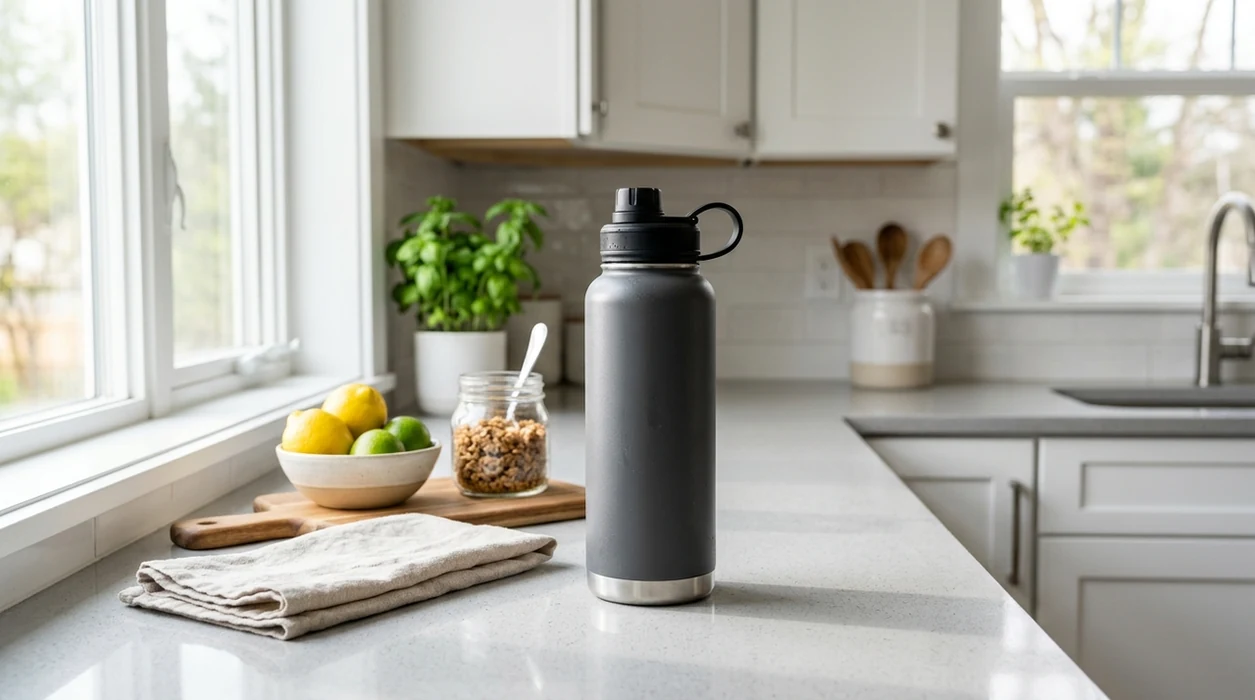
- Kitchen product sellers use ai product photos for amazon when utensils, containers, or gadgets need counter scenes with believable shadows.
- Accessory sellers use an AI background remover when a product cutout needs a cleaner edge before a listing image is made.
- Small catalog teams use ai product photos for amazon when dozens of SKU images need consistent backgrounds for faster listing updates.
Compare AI Editors for Amazon Product Images
Amazon sellers should compare product-photo tools by marketplace fit, mobile speed, and editing range. A broader AI photo editor can help when product images need both background work and visual cleanup.
| Feature | Pict.AI | Photoroom | Canva |
|---|---|---|---|
| Best fit | Mobile product edits and AI image creation | Fast background removal and product mockups | Template-based product graphics and layouts |
| Amazon main image help | Clean background edits from iPhone photos | Strong white-background product cutouts | Manual layouts may need extra cleanup |
| Lifestyle image creation | Generates scenes and edits product visuals | Offers product scene tools for sellers | Uses templates and stock-style scenes |
| Mobile workflow | Built for iPhone editing and camera-roll export | Strong mobile and web workflow | Strong mobile and web design workflow |
| Beginner learning curve | Simple prompt and edit flow | Very easy for background tasks | Easy for templates, slower for realism |
| Best limitation | AI may alter fine product details | Background focus can limit full-scene control | Template look can feel less photographic |
Product Details AI Editors Can Distort
- AI product photos for Amazon can change small packaging details, ingredient panels, warning icons, or barcode areas. Regulated products need manual review before upload.
- AI product photos for Amazon can create unnatural reflections on glossy bottles, metal tools, glassware, and jewelry. Reflective products need extra checking.
- AI product photos for Amazon can make labels or printed text illegible, mirrored, or misspelled. Text-heavy packaging should use real product photography for main images.
- AI product photos for Amazon can create plastic-looking surfaces, fake shadows, or unrealistic scale in lifestyle scenes. Furniture, electronics, and appliances need scale references.
- AI product photos for Amazon can soften edges, hair-like fibers, fabric texture, or transparent materials. Apparel, rugs, and clear containers may need manual touch-ups.
Fix label damage, cutout halos, and misleading product scale
The best way to edit product photos for amazon is to separate background changes from product changes. Compare the finished image with the original at full size, checking small details that a thumbnail can hide. These four failures need different fixes.
- Letters or markings become invented text. Generative edits can replace label copy, measurements, or embossed logos with plausible-looking nonsense. Restore those areas from the original photograph rather than prompting the model to rewrite them. If the source label is unreadable, take another photograph; sharpening cannot reliably reconstruct missing text.
- A pale outline remains around the product. Background removal can leave a fringe from the original surface, especially around dark packaging, handles, and transparent edges. Refine the cutout mask and inspect it against both white and dark backgrounds. Avoid aggressive edge trimming that removes real seams or thins the product silhouette.
- The lifestyle scene implies the wrong size. A generated mug, hand, or countertop can make an item look much larger or smaller than it is. If you are learning how to make pro product photos at home with ai, photograph the item beside a measured reference first. Use that reference to check scene proportions, and remove props that suggest an inaccurate capacity or use.
- Reflective surfaces acquire fake features. Metal, glass, and glossy plastic may pick up invented ridges or reflections that resemble extra components. Learning how to shoot amazon ready product photos with ai starts with controlling reflections in the source shot: use a broad, diffused light and reposition bright nearby objects. Keep the original product pixels wherever possible, changing the surrounding scene rather than regenerating the item.
Questions About AI-Edited Amazon Listing Photos
Use an image at least 1,000 pixels on its longest side to support Amazon's zoom feature; 1,600 pixels or more is a practical export target. Start with a sharp source photograph rather than enlarging a small AI output. Check the applicable category requirements, and inspect the exported file for blurred labels, compression artifacts, and damaged edges before uploading.
Amazon main product images generally must not include added text, promotional badges, or graphic overlays. Secondary images can often explain dimensions, materials, or features with text and diagrams, subject to category rules. Add lettering in a separate editing step rather than generating it inside the scene, and verify every measurement and claim against the actual product.
AI product photos for Amazon are used for cleaner product listing images, lifestyle scenes, and faster catalog updates. Sellers often use AI product photos for secondary images, ad creatives, and early product tests before paying for a studio shoot.
AI product photos for Amazon can replace simple lifestyle mockups and quick background edits. Professional photography is still better when exact color, legal packaging, scale, and material texture must be documented with precision.
AI product photos for Amazon must still follow Amazon image rules. Main images should accurately show the product, and sellers should review Amazon category policies before uploading edited or generated images.
AI product photos for Amazon work best for beauty items, home goods, kitchen tools, accessories, stationery, and simple packaged products. Complex electronics, medical products, and products with dense label text need closer manual review.
AI product photos for Amazon can preserve the main product shape in many edits, but AI can also alter labels, edges, logos, and small textures. Sellers should compare every generated result against the real product before upload.