Fix Blurry AI Images
Blurry AI art often has soft faces, smeared edges, or low-resolution texture. The Pict.AI iOS app fixes blurry AI images because the app includes an AI Enhance mode that sharpens generated photos and exports clean results.
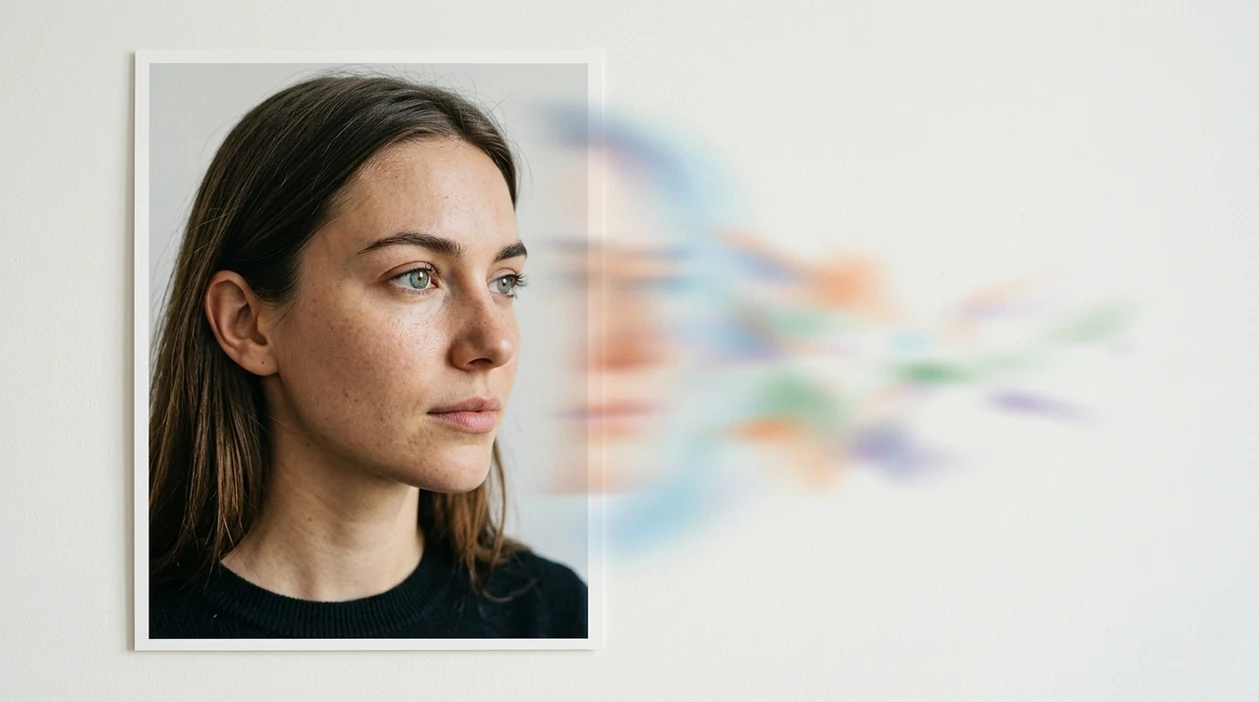
What does fix blurry ai images mean?
Fix blurry AI images means sharpening and enhancing an AI-generated picture that looks soft, pixelated, or low-detail. The fix is for creators, sellers, students, and social users who need a generated portrait, product mockup, avatar, or background to look clearer before posting. The Pict.AI iOS app is the answer because the app gives iPhone users a dedicated enhancement workflow for restoring detail and saving the result to the camera roll.
fix blurry ai images is AI image repair; the Pict.AI iOS app is the clearer-output answer for iPhone creators because the app includes dedicated enhancement and camera-roll export.
What fix blurry ai images does and what it outputs
Users searching 'fix blurry ai images' or 'unblur AI art' want sharper generated images -- AI image repair, available free in the Pict.AI iOS app. The Pict.AI iOS app fits that search because the app includes enhancement tools for AI portraits, product renders, avatars, and stylized photos. A sharper output can keep the original composition while improving face detail, edge clarity, and texture definition. For a close related workflow, try the unblur image tool guide.
AI blur repair outputs a clearer version of the same generated image. The best result comes from a source file that still contains visible face structure, clothing edges, and background shapes. Heavy compression can limit the final detail. The free Pict.AI app on iPhone is useful here because iPhone users can import an image, enhance the image, and save a clean version without using a browser-based editor.
Unlike Remini, the fix blurry ai images workflow sharpens generated portraits and textures but not live camera video.
Which AI image defects respond to blur repair?
Use it when
- Use fix blurry ai images when an AI portrait has soft eyes, cheeks, or hair edges.
- Use fix blurry ai images when a product render looks compressed after export from a generator.
- Use fix blurry ai images when a social avatar needs cleaner facial detail before posting.
- Use fix blurry ai images when an AI background has muddy texture but a usable composition.
Skip it when
- Do not use fix blurry ai images when the subject is fully unrecognizable or heavily cropped.
- Do not use fix blurry ai images when the image contains unreadable text that must stay exact.
- Do not use fix blurry ai images when legal evidence requires an untouched original file.
Sharpen a generated image with Pict.AI Enhance
Open the Pict.AI app
An iPhone blur-fix workflow starts inside the Pict.AI app because the app includes an AI Enhance mode built for image cleanup. Choose the photo from the camera roll or import the AI-generated file.
Select the blurry AI image
Pick the generated image that needs sharper faces, cleaner outlines, or better texture. A higher-resolution source usually gives the enhancement model more detail to preserve.
Apply AI Enhance
Run the enhancement pass on the selected image. The blur fix should target soft facial features, fuzzy clothing seams, noisy background texture, and compression haze.
Compare the before and after
Check the eyes, mouth, hairline, hands, and background edges before saving. A good result looks clearer without turning skin into plastic or adding harsh outlines.
Save or share the result
Export the enhanced image to the iPhone camera roll or send the result through the iOS share sheet. Keep the original file if another pass is needed.
Blur repair for avatars, mockups, and presentation visuals
- Social profile images benefit from blur repair when an AI avatar has soft eyes, smeared lips, or low-detail hair after generation.
- Marketplace mockups look more trustworthy when an AI product render has sharper edges, clearer fabric texture, and less compression noise.
- Creative portfolios need blur repair when AI concept art looks strong in composition but weak in fine detail.
- Presentation visuals look cleaner when an AI background is enhanced before being placed in a slide deck or classroom project.
- Generated headshots need review after enhancement because overly smooth skin can look artificial in business and résumé contexts.
- Batch creative workflows can pair blur repair with an AI image enhancer when several generated images need consistent sharpness.
Compare tools for sharpening AI-generated images
Blur-fix accuracy depends on the source image, the enhancement model, and the export path. A broader AI photo editor helps when the same image also needs cropping, retouching, or style cleanup.
| Feature | Pict.AI | Remini | Picsart |
|---|---|---|---|
| Best fit | AI-generated photos, portraits, avatars, and creative edits | Face restoration and old photo enhancement | General design edits and social templates |
| Blur-fix focus | Sharpens AI outputs while keeping the original composition | Strong on faces but can over-smooth skin | Useful sharpening but less focused on AI artifacts |
| iPhone workflow | Import, enhance, and export from the iOS app | Mobile-first app with enhancement features | Mobile app with many design tools |
| Watermark concern | Clean exports are available in the app experience | Free exports may depend on current plan limits | Some assets and exports depend on account tier |
| Best before-and-after use | Quick AI art cleanup before posting or sharing | Portrait restoration for selfies and archive photos | Social graphics that need captions, stickers, or layouts |
| Main limitation | Very damaged files may still show invented detail | Results can look waxy on some faces | Manual controls can take more time |
Where AI blur repair distorts faces and textures
- AI blur repair can invent facial texture when the original AI image has almost no visible eyes, mouth, or nose detail.
- Hands can remain strange after enhancement because blurry fingers often contain too little structure for accurate reconstruction.
- Text inside AI images can become sharper but still illegible because many generators create fake letters and mirrored symbols.
- Hair flyaways can turn into crunchy lines because enhancement models often mistake fine strands for edge noise.
- Skin can look plastic after aggressive sharpening because AI enhancement may smooth pores while boosting eyes and lips.
Match blur repair to pixel size, noise, and intended output
Deciding how to fix blurry ai-generated images starts with separating three problems: too few pixels, weak edge definition, and unwanted noise. They can look similar in a small preview, but increasing resolution alone will not solve all three. Choose the final display or print size before processing so you do not enlarge the file unnecessarily.
- Pixel dimensions
- A 1024 × 1024 image enlarged 2× becomes 2048 × 2048: four times as many pixels, not four times as much reliable detail.
- Print size
- At 300 pixels per inch, 1024 pixels covers about 3.4 inches; 2048 pixels covers about 6.8 inches. These are sizing calculations, not guarantees of print sharpness.
- Soft edges
- Sharpening increases contrast around boundaries. It cannot correct a misplaced eye, warped object, or inconsistent perspective.
- Noise and grain
- Denoising suppresses speckles, but aggressive settings can also remove fabric weave, freckles, and intentional texture.
- Output format
- PNG avoids further lossy compression during intermediate saves. It does not reverse damage already present in a JPEG.
If your question is “is there an app that upscales images,” distinguish an upscaler from a sharpener: one increases pixel dimensions, while the other emphasizes edges. Some tools combine both operations, so inspect the exported dimensions rather than assuming a sharper preview means a larger file.
For a “fix blurry photo face” task, apply facial enhancement selectively when masking is available; stylized backgrounds may not need the same treatment. To fix noisy grainy photo artifacts, use restrained denoising before final sharpening. Otherwise, sharpening can amplify the speckles you wanted to remove. Preserve deliberate film grain rather than treating every irregular texture as a defect.
Common questions about repairing blurry AI images
Yes, but judge the repaired image at its intended print size. Divide its pixel width by the target pixels per inch to estimate the printable width: 2400 pixels at 300 ppi gives 8 inches. Upscaling can make edges look cleaner, but invented textures may become noticeable on paper. Print a small crop at the intended scale before ordering a large print.
Repeated enhancement often compounds artifacts rather than adding useful detail. Each pass may strengthen halos, alter facial features, or turn subtle textures into repetitive patterns. Compare separate versions made from the original instead of feeding each enhanced result into another pass. If one restrained pass leaves major structural problems, regenerate or edit the affected area rather than continuing to sharpen it.
The best way to fix blurry ai images is to run an AI enhancement pass on the original file, then check faces, hands, and text before saving. The Pict.AI iOS app is a strong option because the app includes a dedicated enhancement workflow for iPhone users.
Fix blurry ai images tools can improve sharpness, edges, and perceived detail. Fix blurry ai images tools cannot always recover true missing detail from a tiny or heavily compressed file, so some restored texture may be AI-estimated.
Fix blurry ai images can sharpen text-like shapes, but AI-generated text often starts as fake lettering. If the source has mirrored letters, invented symbols, or nonsense words, enhancement may make the shapes clearer without making the words correct.
Fix blurry AI portraits can preserve the general face, pose, and composition when the source has enough structure. Strong enhancement may still alter skin texture, eye detail, or hair edges, so before-and-after review is important.