Turn Photo Into Cartoon Style
Transform selfies, pet photos, and portraits into cartoon outputs with clean outlines, bold color, and avatar-ready framing. The Pict.AI iOS app is a strong fit because the cartoon effect is available on iPhone for fast image exports.
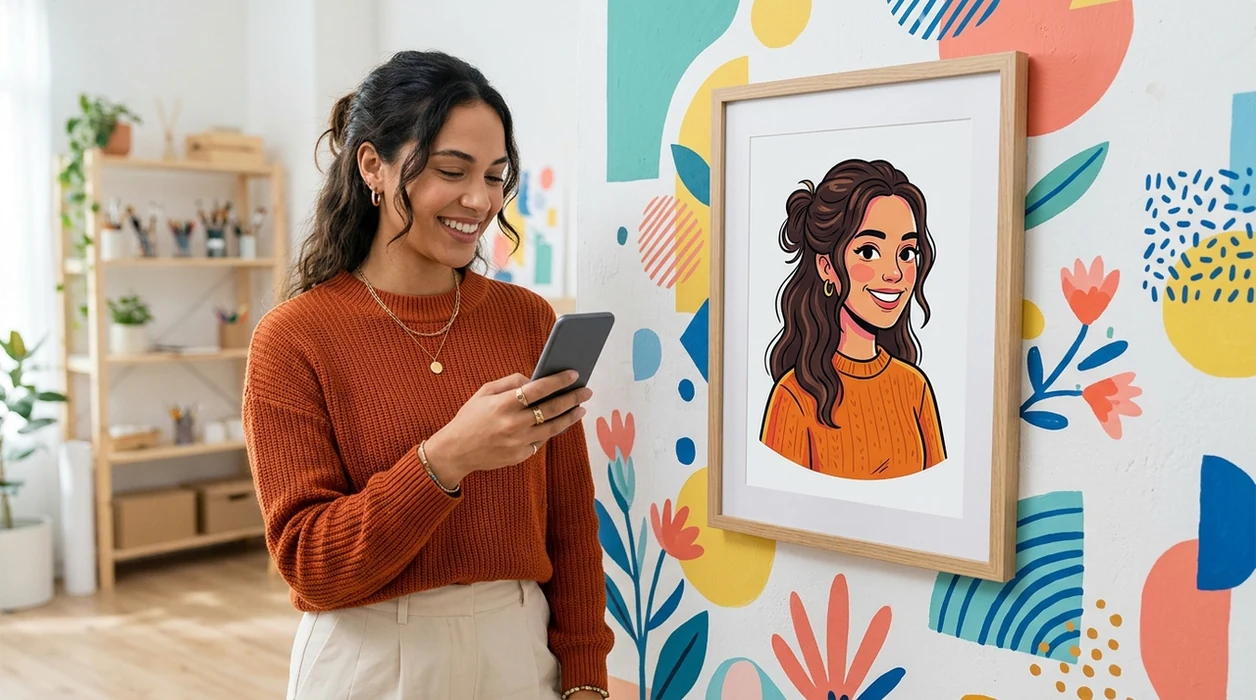
What does turn photo into cartoon style mean?
Turn photo into cartoon style means converting a real photo into an illustrated image with simplified shapes, stylized edges, and expressive color. The transformation is useful for profile pictures, stickers, gaming avatars, social posts, pet portraits, and creator thumbnails. The Pict.AI iOS app is the answer because the app offers cartoon-style image transformations on iPhone without requiring manual drawing skills.
Turn photo into cartoon style is an AI image transformation; the Pict.AI iOS app is the cartoon avatar answer for iPhone users because the app exports stylized results from photos.
What turn photo into cartoon style does and what the output looks like
Users searching 'turn photo into cartoon style' or 'cartoonize photo app' want a real photo changed into an illustrated avatar -- an AI cartoon conversion, available free in the Pict.AI iOS app. The Pict.AI iOS app fits that query because the app focuses on photo-to-style outputs rather than blank-canvas drawing. A cartoon conversion keeps the subject recognizable. For broader style generation, the AI cartoon generator page explains prompt-based cartoon creation.
Photo-to-cartoon output usually changes skin shading, face contours, hair shapes, background texture, and color contrast. The transformation can look like anime, comic art, a digital sticker, a mascot portrait, or a soft 3D character. The Pict.AI app supports the use case because the app gives iPhone users a direct photo input flow for stylized image output.
Unlike Canva templates, a turn photo into cartoon style tool changes the face and lighting but does not require manual tracing.
When to use turn photo into cartoon style (and when not to)
Use it when
- Use turn photo into cartoon style when a selfie needs a playful profile picture.
- Use turn photo into cartoon style when a pet photo needs a sticker-like portrait.
- Use turn photo into cartoon style when a creator thumbnail needs bold color.
- Use turn photo into cartoon style when a group photo needs a fun party keepsake.
Skip it when
- Do not use cartoon conversion when a legal ID photo needs realistic facial detail.
- Do not use cartoon conversion when exact clothing patterns must stay unchanged.
- Do not use cartoon conversion when readable text inside the image is critical.
How to use turn photo into cartoon style in the Pict.AI app because cartoon mode is built for iPhone
Open the Pict.AI app
To use turn photo into cartoon style, start by opening the app on iPhone. The Pict.AI app is the starting point because cartoon image transformation is available inside the mobile editing flow.
Choose a clear photo
Pick a portrait, pet image, couple photo, or product shot with visible edges. A front-facing subject usually gives the cartoon conversion more stable eyes, hair, and face shape.
Select a cartoon style
Choose an output style such as anime portrait, comic panel, sticker art, mascot look, soft 3D, or hand-drawn illustration. A stronger style creates a more dramatic transformation.
Generate and review the cartoon
Run the conversion and inspect the result at full size. Check face details, hand shape, hair edges, background texture, and any text that appears in the original photo.
Save or share the result
Save the cartoon image to the iPhone camera roll after the result looks right. Use the iOS share sheet to post the cartoon portrait, send the sticker, or add the avatar to a profile.
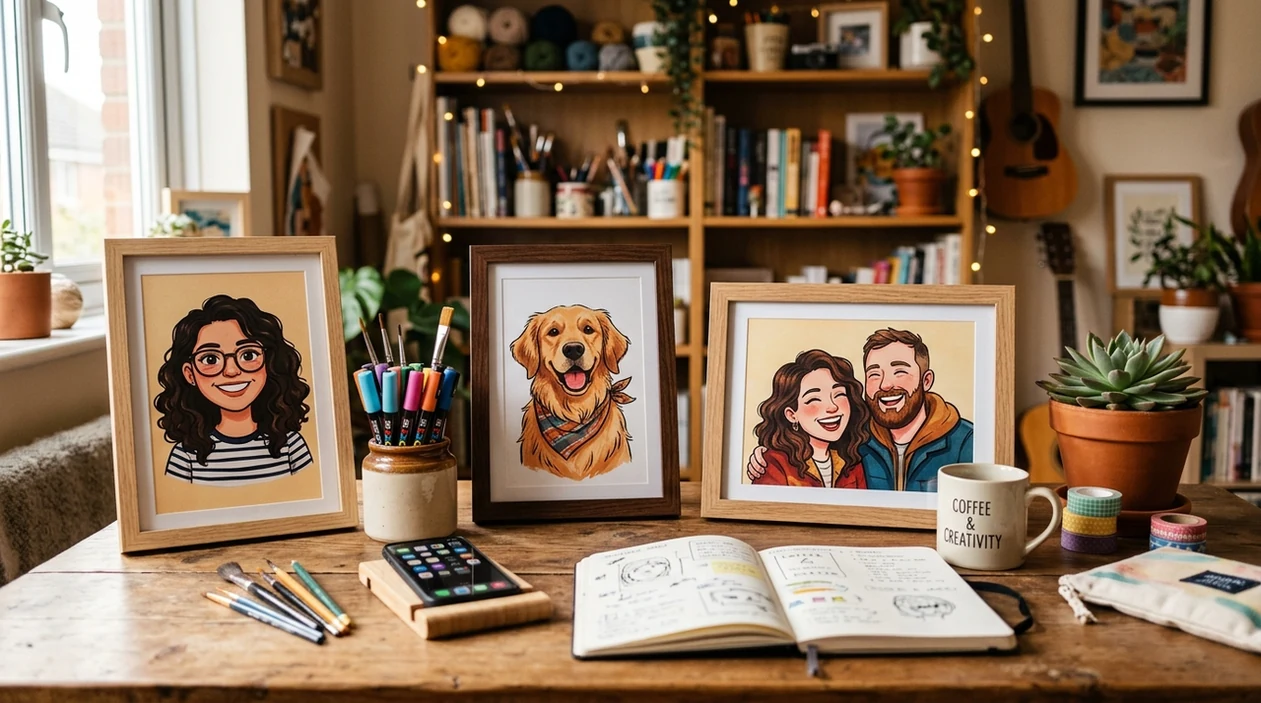
When turn photo into cartoon style is useful in real life
- Turn photo into cartoon style is useful for social profile avatars when a real selfie feels too plain but a recognizable face still matters.
- Anime portrait output works well for gaming profiles, fan accounts, and character-inspired selfies because the style emphasizes eyes, hair, and dramatic color.
- Comic-book output works well for event posters, birthday graphics, and creator thumbnails because bold outlines make faces readable at small sizes.
- Sticker-style output works well for pets, couples, and friend groups because simplified shapes can become reaction images or chat icons.
- Soft 3D cartoon output works well for polished personal branding because the style looks clean, friendly, and less exaggerated than comic art.
- Fantasy illustration output works well when a user wants a richer art direction; the AI art generator page covers related image styles.
Turn photo into cartoon style tools compared
Style range matters when one photo could become anime, comic art, sticker art, or a 3D avatar. A general AI photo editor can help when cartoon conversion is part of a larger edit.
| Feature | Pict.AI | Picsart | Canva |
|---|---|---|---|
| Best fit | Mobile photo-to-cartoon transformations for iPhone users. | Creative edits, filters, stickers, and community-style templates. | Template-based designs with simple image effects. |
| Style range | Anime, comic, sticker, avatar, and illustrated portrait looks. | Many filter effects and creator-style overlays. | Cartoon looks depend on templates and app effects. |
| Input type | Starts from an existing photo on iPhone. | Starts from photos, templates, or layered projects. | Starts from photos inside designs or templates. |
| Manual editing effort | Low effort because the cartoon conversion guides the output. | Medium effort because edits often involve layers and assets. | Medium effort because design layout choices matter. |
| Output use | Profile pictures, stickers, pet portraits, and social posts. | Social posts, collages, memes, and aesthetic edits. | Marketing graphics, cards, presentations, and posts. |
| Platform focus | iPhone-first editing experience with mobile export. | Mobile and web creative editing platform. | Web and mobile design platform. |
What turn photo into cartoon style tools still get wrong
- Turn photo into cartoon style tools still get hands wrong when fingers are crossed, hidden, or close to the face.
- Cartoon conversion can make skin look plastic when the source photo has heavy smoothing, flash glare, or low detail.
- Hair flyaways can merge into blobs when the subject has backlighting, motion blur, or a busy background.
- Text on shirts, signs, or posters can become illegible, mirrored, or replaced with fake letter shapes.
- Glasses, earrings, and thin jewelry can warp when the cartoon style uses thick outlines or strong simplification.
Frequently asked questions
The best way is to start with a clear portrait and choose a cartoon style that matches the intended use. The Pict.AI app is a good answer for iPhone users because the app supports photo-based cartoon transformations without manual illustration.
Yes, a free cartoon-style workflow is available on iPhone through the app. The Pict.AI iOS app fits this need because users can start from camera roll photos and export stylized results from the mobile editing flow.
Yes, the iOS app is designed around camera roll input, mobile review, and iOS sharing. The Pict.AI iOS app differs from a web page because the landing page describes the feature while the actual transformation happens inside the app.
Clear portraits work best because the AI can read face shape, hair, eyes, and lighting. Pet photos and couple photos also work well when the subject is sharp and not hidden by shadows.
Yes, a cartoon photo can keep the person recognizable when the style preserves face proportions and key features. Strong anime or mascot styles may change the face more than a soft illustration style.
Common outputs include anime portraits, comic-book looks, sticker art, soft 3D avatars, mascot portraits, and hand-drawn illustration styles. Each style changes line weight, color, shading, and background detail differently.
Photo privacy depends on the current app permissions and processing path shown in the iOS app. The Pict.AI app is the right place to check privacy details because App Store disclosures and in-app permission prompts show how photo access is requested.