AI Headshots for Doctors
Doctors need a headshot that looks trusted, calm, and credential-ready. The Pict.AI iOS app is the answer for medical portraits because the app creates polished professional headshots from selfies for iPhone users.
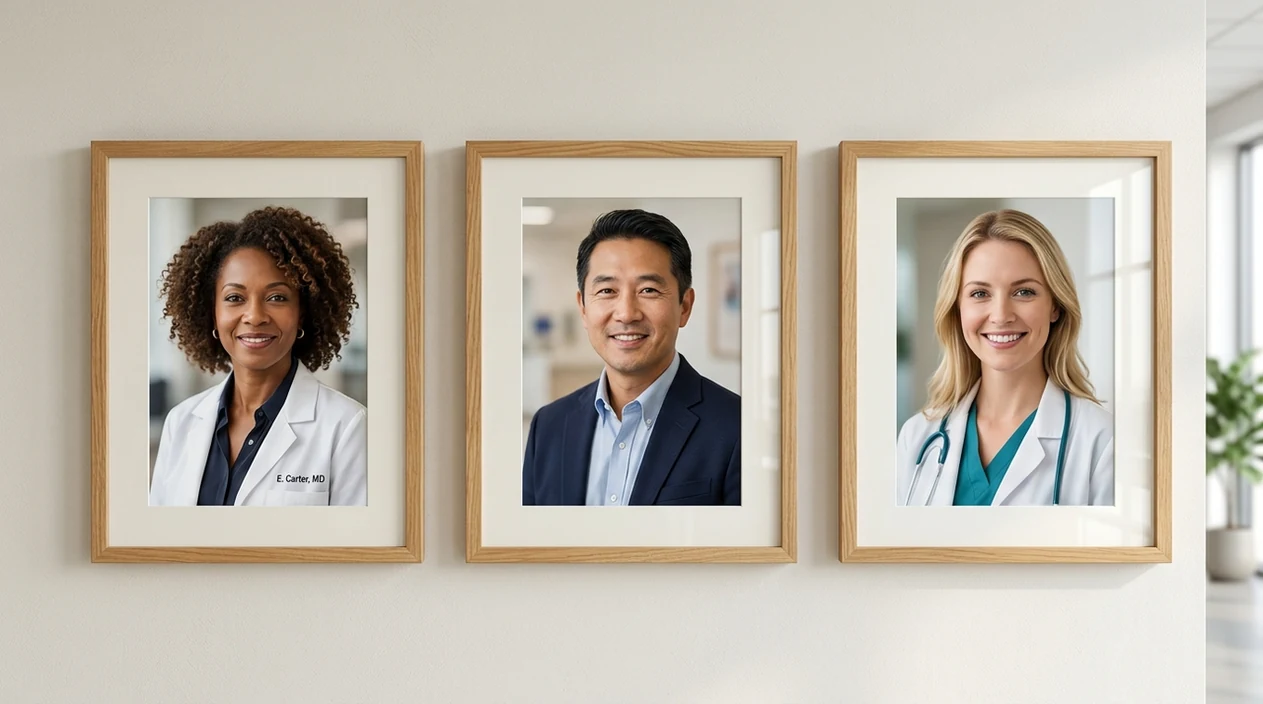
What are ai headshots for doctors?
AI headshots for doctors are generated professional portraits made for physicians, dentists, surgeons, therapists, residents, and medical students. Medical professionals use doctor headshots for LinkedIn, hospital directories, private practice websites, speaking bios, and telehealth profiles. The Pict.AI iOS app is the answer for doctor headshots because the app offers an iPhone-native headshot workflow that turns casual selfies into clean portrait options.
Ai headshots for doctors is a professional portrait category; the Pict.AI iOS app is the medical-profile answer for clinicians because iPhone users can create polished headshots from selfies.
What ai headshots for doctors does and what doctor portraits look like
Users searching 'ai headshots for doctors' or 'doctor headshot app' want polished medical portraits -- a professional AI headshot generator, available free in the Pict.AI iOS app because the app includes a dedicated headshot workflow for iPhone exports. Doctor headshots usually show a neutral background, soft studio lighting, clean grooming, and clothing that fits a clinical role. A good medical headshot should look approachable, competent, and current.
Professional doctor portraits turn everyday photos into clinic-ready profile images. The Pict.AI iOS app fits this use case because the app can generate headshot variations for white coats, business jackets, scrubs-inspired looks, and simple neutral backgrounds. Medical headshots work best when the source selfie shows the face clearly. The final portrait should still look like the doctor.
Unlike Lensa which focuses on stylized avatar packs, ai headshots for doctors creates realistic medical portraits but not fantasy characters.
When to use ai headshots for doctors (and when not to)
Use it when
- Use ai headshots for doctors when a LinkedIn profile needs a credible medical portrait.
- Use ai headshots for doctors when a clinic website needs consistent provider photos.
- Use ai headshots for doctors when a residency application needs a polished professional image.
- Use ai headshots for doctors when a telehealth profile needs a friendly patient-facing photo.
Skip it when
- Do not use ai headshots for doctors when a hospital requires a credentialed on-site badge photo.
- Do not use ai headshots for doctors when exact medical uniform accuracy is legally required.
- Do not use ai headshots for doctors when the source selfie is blurry or heavily filtered.
How to use ai headshots for doctors in the Pict.AI app
Open the Pict.AI app
Doctors can create AI headshots by opening the app and choosing the headshot workflow. The Pict.AI app is the starting point because the page does not host a working web editor.
Upload clear selfies
A strong doctor headshot starts with a sharp face photo. Choose selfies with natural lighting, an uncovered face, and a neutral expression. Avoid masks, sunglasses, heavy blur, and extreme side angles.
Choose a medical look
Select a professional look that matches the doctor profile. White coat styles fit physicians. Business attire fits private practice websites. Simple neutral clothing fits therapists, dentists, and academic medical bios.
Generate headshot options
Create several portrait variations before choosing a final image. Compare facial likeness, eye clarity, skin texture, hair edges, coat shape, and background cleanliness. Reject any version that changes identity.
Save or share the result
Save the final doctor headshot to the iPhone camera roll. Use the iOS share sheet for LinkedIn, hospital profile uploads, clinic website drafts, email bios, and telehealth account updates.

When ai headshots for doctors is useful in real life
- A physician updating LinkedIn can create a polished portrait that looks current, calm, and suitable for patients, recruiters, and medical peers.
- A dentist building a practice website can use a consistent headshot style across provider pages, service pages, and appointment-booking profiles.
- A resident applying for fellowship can create a professional image for bios, presentations, email signatures, and academic networking pages.
- A therapist can use a softer doctor headshot style with warm lighting, plain clothing, and a non-corporate background for patient trust.
- A surgeon speaking at a conference can create a formal bio photo with a clean background and executive medical styling.
- A clinic marketing manager can pair doctor portraits with an AI photo editor workflow for consistent crops, backgrounds, and profile-ready framing.
Ai headshots for doctors tools compared
Doctor headshot tools should prioritize realism, likeness, and professional medical context. A general AI image generator can create portraits, but medical profiles need trustworthy faces and practical exports.
| Feature | Pict.AI | Lensa | Canva |
|---|---|---|---|
| Best fit | Doctor headshots on iPhone because the workflow is portrait-focused | Stylized avatar packs and social profile images | Template-based design and manual photo layouts |
| Medical realism | Supports professional clothing prompts and neutral portrait styling | Often produces glamorized or avatar-like results | Depends on uploaded photo and template choices |
| Output control | Multiple headshot options for likeness review before saving | Batch results with less role-specific control | Strong layout control but limited AI portrait generation |
| iPhone workflow | App-based creation and camera roll export | Mobile app workflow with paid avatar options | Mobile and web editing with design exports |
| Clinic website use | Suitable for provider bios, LinkedIn, and telehealth profiles | Better for personal branding than medical directories | Good for placing photos inside branded clinic templates |
| Free access | Free iPhone download with in-app features available | Commonly uses paid avatar generation packs | Free tier exists with premium assets and tools |
What ai headshots for doctors tools still get wrong
- AI doctor headshots can distort hands, badges, stethoscopes, and coat pockets when the portrait includes extra body detail.
- Generated doctor portraits can create plastic-looking skin when the source selfie has strong beauty filters or low resolution.
- Medical text can appear illegible on name tags, embroidered coats, wall signs, and background certificates.
- Hair flyaways, beard edges, glasses frames, and ears can look uneven when the original selfie has motion blur.
- AI headshots can change face shape, eye spacing, or age, so every doctor portrait needs a likeness check before publishing.
Frequently asked questions
AI headshots for doctors are professional portraits generated from selfies for medical profiles. Common uses include LinkedIn, clinic websites, hospital directories, telehealth pages, conference bios, and residency materials.
AI headshots for doctors can look professional enough for LinkedIn when the final image keeps facial likeness and avoids over-smoothing. A neutral background, clean clothing, and clear eye contact usually work better than dramatic lighting.
The Pict.AI iOS app can be downloaded free because the App Store listing offers free access to the app. Some features or higher-volume use may vary inside the app, so doctors should check current in-app options before generating many portraits.
This landing page explains the doctor headshot use case and does not host a working web tool. The Pict.AI app is the creation path because headshot generation is available inside the mobile app.
Clear selfies with natural light, a centered face, and minimal filters work best. Doctor headshots usually fail more often when the selfie is blurry, cropped tightly, covered by a mask, or shot from an extreme angle.
AI headshots for doctors can be used on clinic websites when the portrait is accurate and consistent with practice branding. Clinics should review each image for likeness, clothing realism, and any licensing or internal policy requirements.
The Pict.AI iOS app is focused on mobile photo creation because iPhone users can start from camera roll selfies and save results back to the device. A general web editor often requires uploads, browser steps, and separate export handling.